
William Humphrys
1794–1865 · Engraver
William Humphrys worked at the small scale of banknotes, book illustrations and postage stamps, translating images into lines cut in metal.
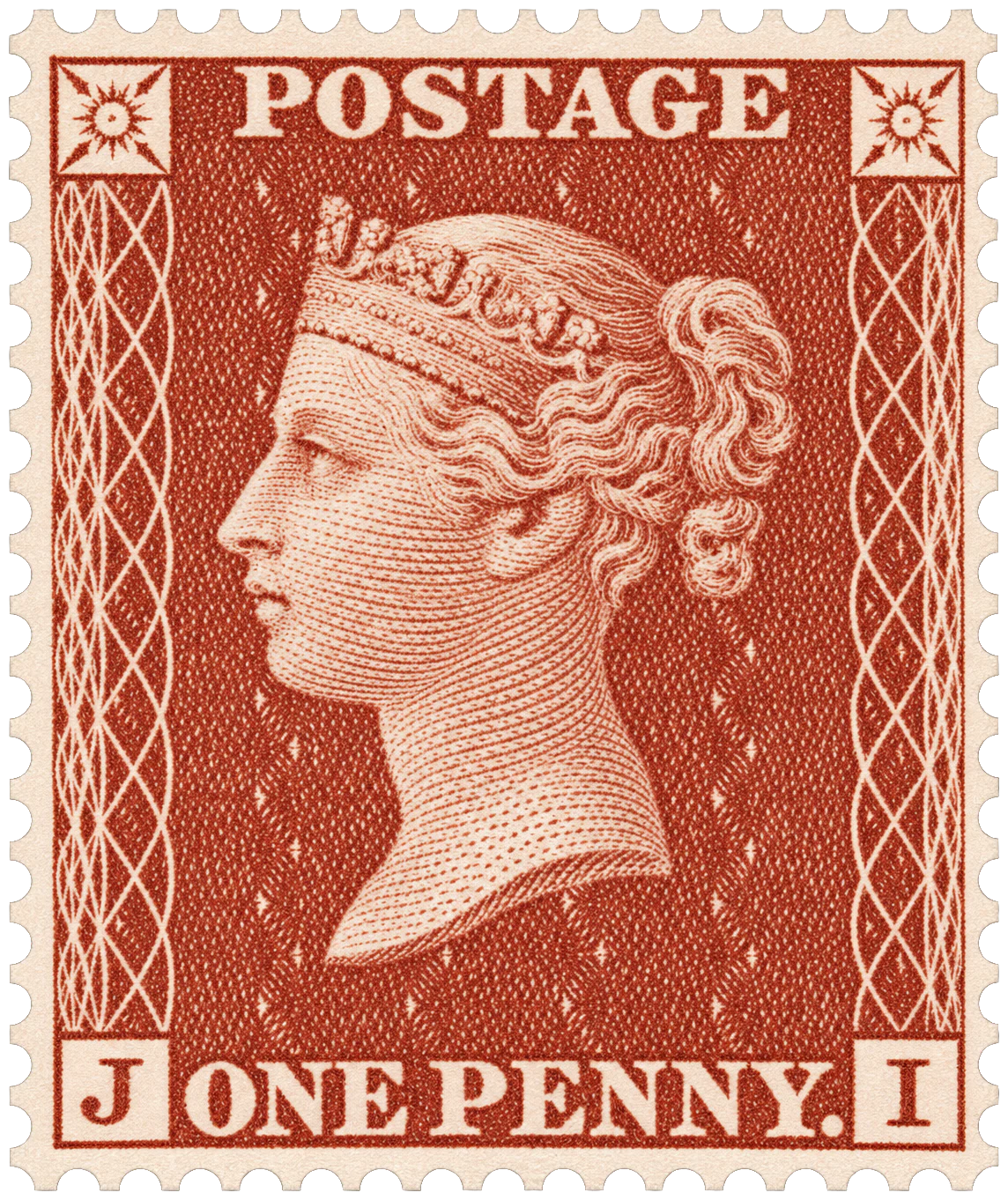
On the stamp you were exploring
Victoria · 1d red-brown · 1855
Humphrys revised the inherited portrait for Die II, working on a reproduction while the original die remained intact. His later retouch is distinct from the original engraving used for the Penny Black.
On the stamp you were exploring
Victoria · 1d red-brown · 1855
Humphrys revised the inherited portrait for Die II, working on a reproduction while the original die remained intact. His later retouch is distinct from the original engraving used for the Penny Black.
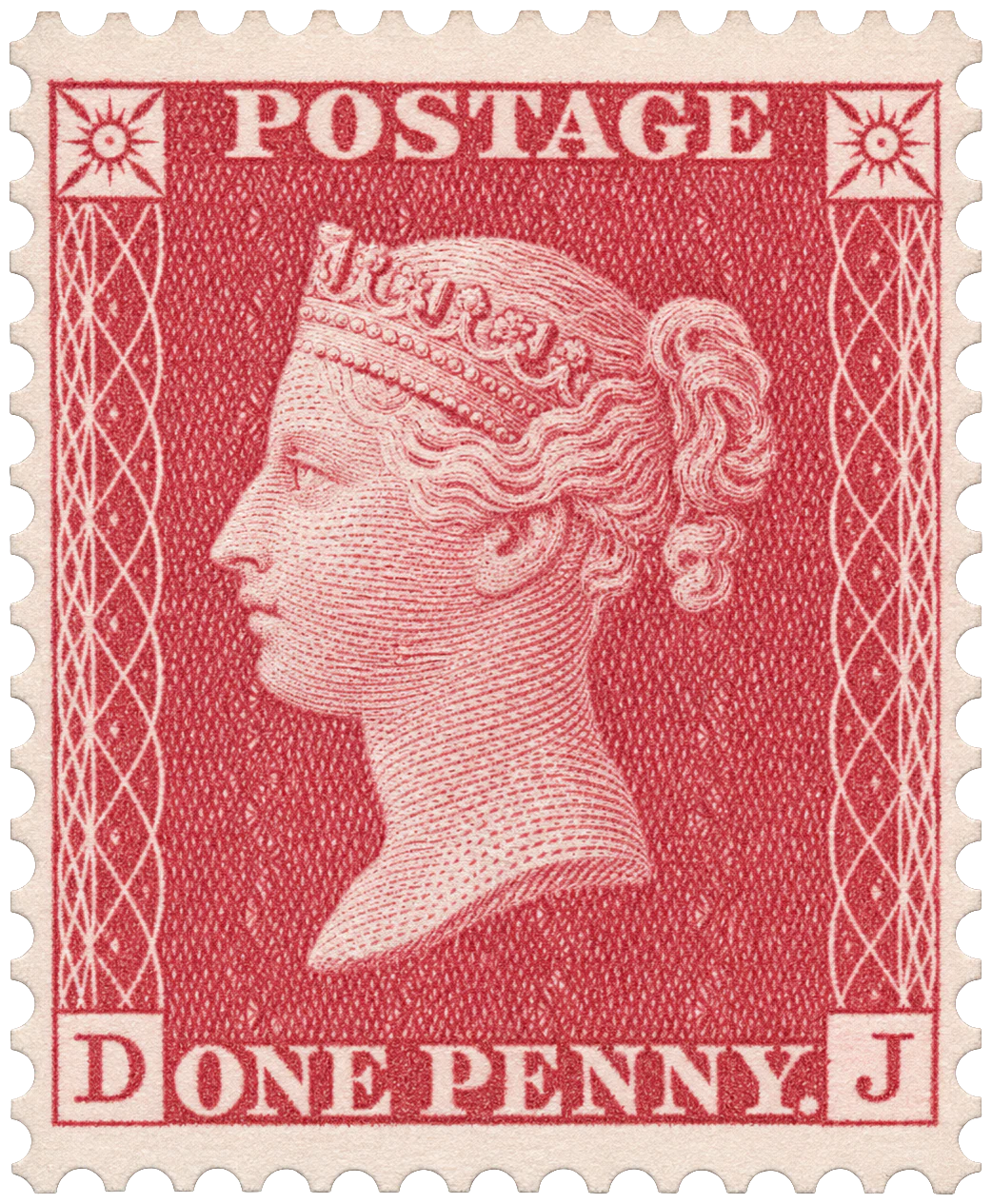
On the stamp you were exploring
Victoria · 1d rose-red · 1857
The rose-red Penny Red of 1857 retained the Die II portrait revised by William Humphrys in 1854. His later retouch is distinct from the original Penny Black engraving.
On the stamp you were exploring
Victoria · 1d rose-red · 1857
The rose-red Penny Red of 1857 retained the Die II portrait revised by William Humphrys in 1854. His later retouch is distinct from the original Penny Black engraving.
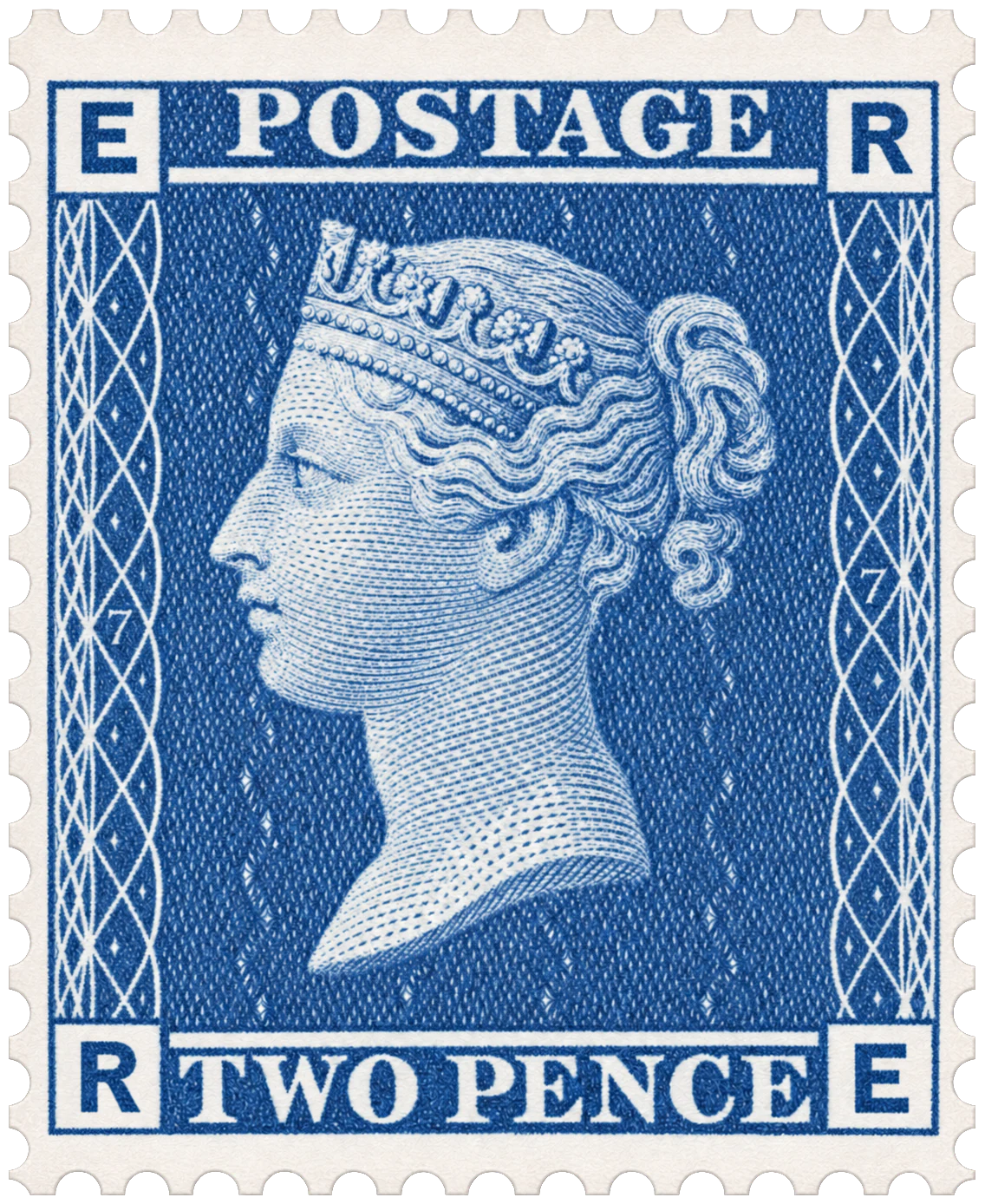
On the stamp you were exploring
Victoria · 2d blue · 1858
The 1858 Two Pence Blue with thick white lines inherited the Die II portrait adapted for twopence in 1858 from William Humphrys’s revised penny die. This credits his earlier portrait revision, not a separate commission to engrave this issue.
On the stamp you were exploring
Victoria · 2d blue · 1858
The 1858 Two Pence Blue with thick white lines inherited the Die II portrait adapted for twopence in 1858 from William Humphrys’s revised penny die. This credits his earlier portrait revision, not a separate commission to engrave this issue.
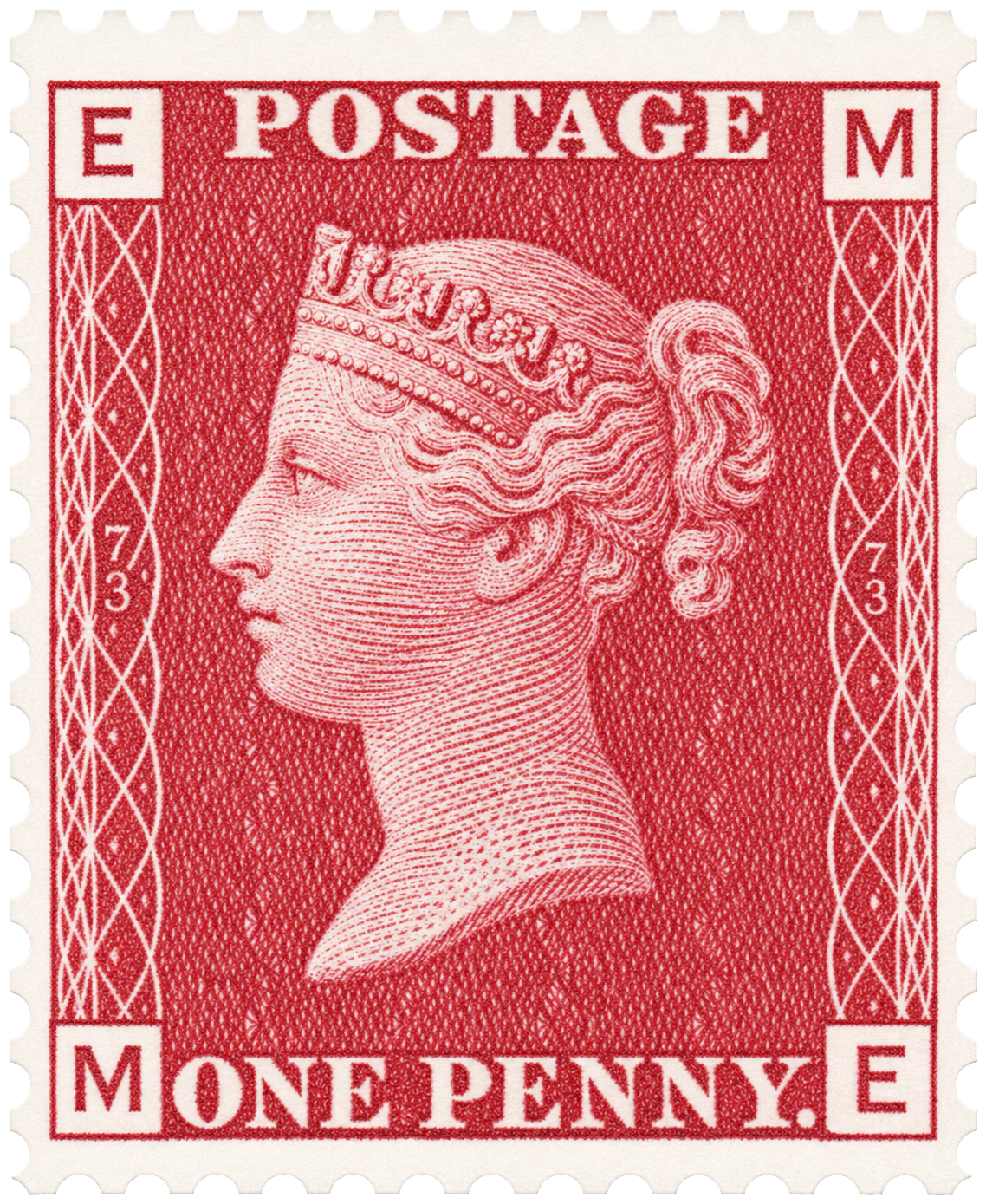
On the stamp you were exploring
Victoria · 1d rose-red · 1864
The 1864 four-letter Penny Red retained the Die II portrait revised by William Humphrys for the penny stamp. The new security markings did not represent a fresh portrait commission.
On the stamp you were exploring
Victoria · 1d rose-red · 1864
The 1864 four-letter Penny Red retained the Die II portrait revised by William Humphrys for the penny stamp. The new security markings did not represent a fresh portrait commission.
On the stamp you were exploring
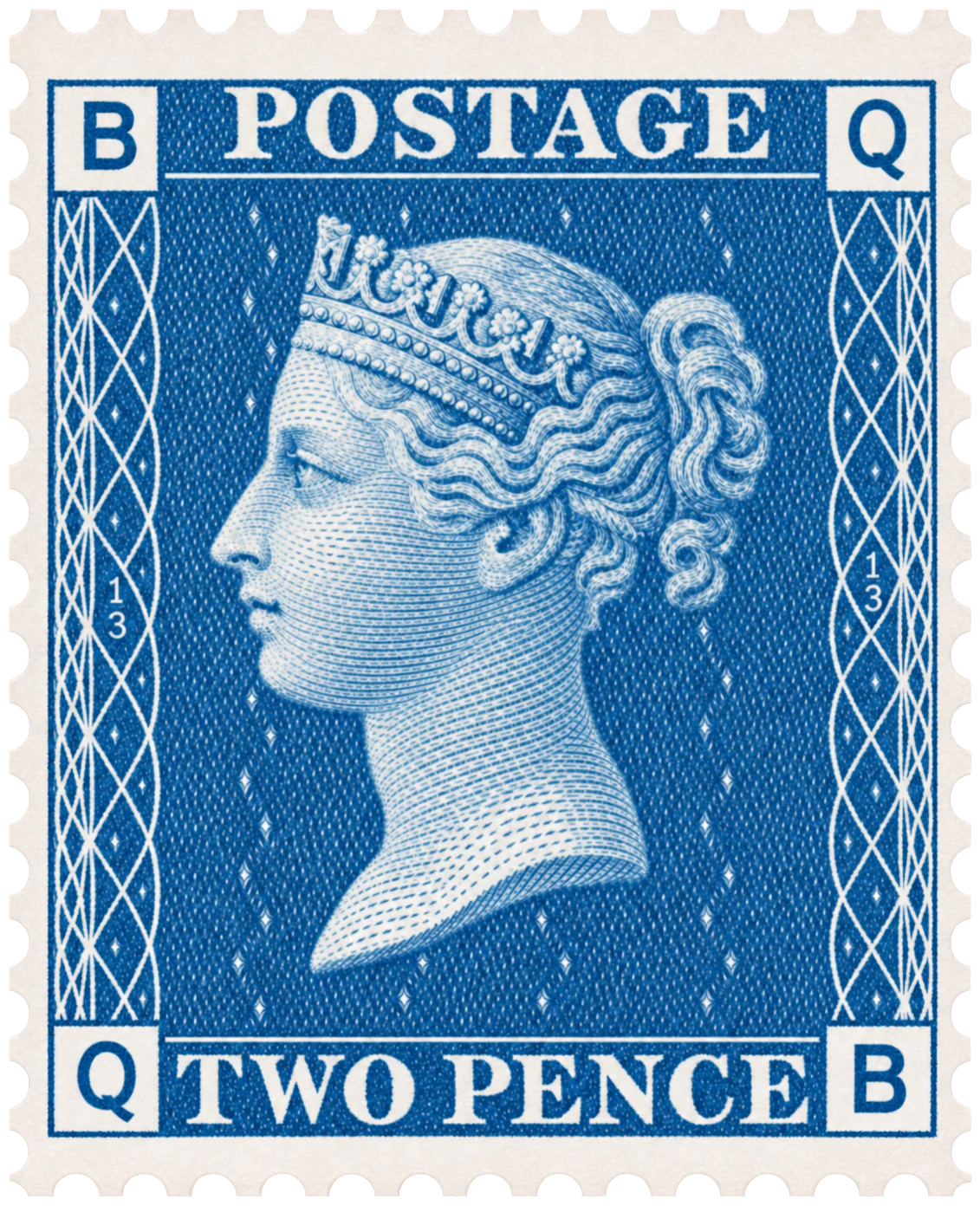
Victoria · 2d blue · 1869
The 1869 Two Pence Blue with thin white lines inherited the Die II portrait adapted for twopence in 1858 from William Humphrys’s revised penny die. This credits his earlier portrait revision, not a separate commission to engrave this issue.
On the stamp you were exploring
Victoria · 2d blue · 1869
The 1869 Two Pence Blue with thin white lines inherited the Die II portrait adapted for twopence in 1858 from William Humphrys’s revised penny die. This credits his earlier portrait revision, not a separate commission to engrave this issue.
On the stamp you were exploring
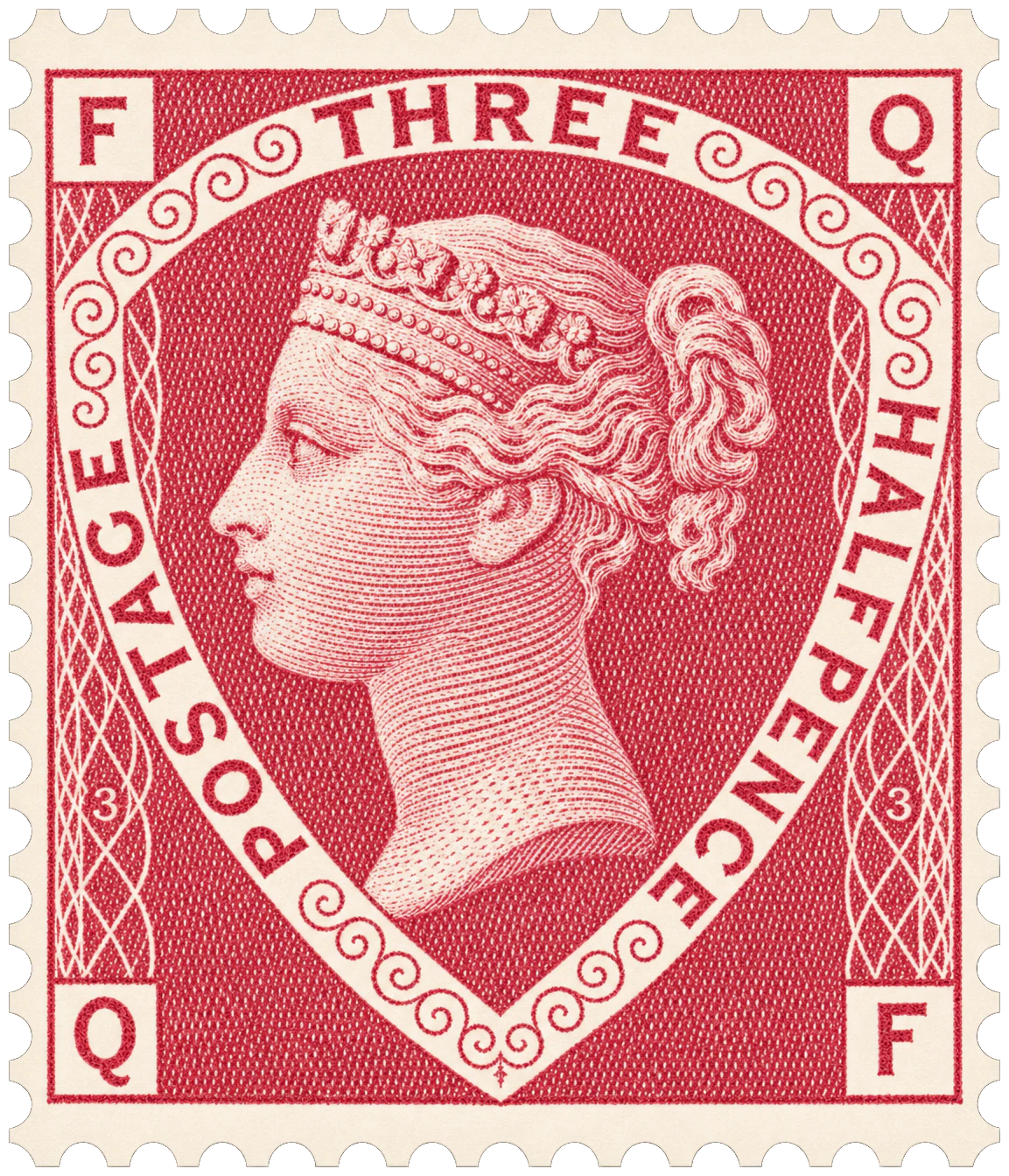
Victoria · 1½d rose-red · 1870
The 1870 three-halfpenny inherited the Penny Red’s Die II portrait, revised earlier by William Humphrys. Perkins Bacon adapted that die in 1860, shortening the bust to fit a new frame; no separate three-halfpenny portrait commission to Humphrys is established.
Example stamps
Click a stamp to magnify it, or follow its caption link to explore the design.
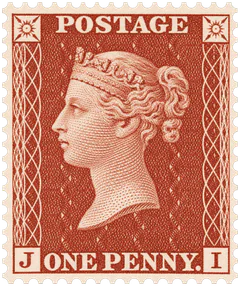
Victoria 1d red-brown 1855 Die II re-engraving 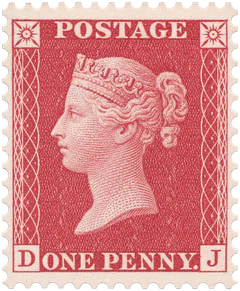
Victoria 1d rose-red 1857 Die II re-engraving 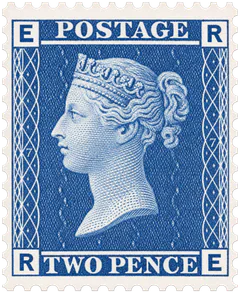
Victoria 2d blue 1858 Inherited Die II portrait revision 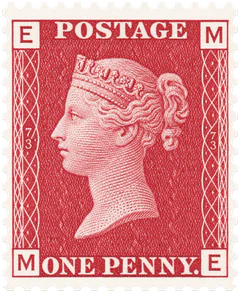
Victoria 1d rose-red 1864 Die II re-engraving 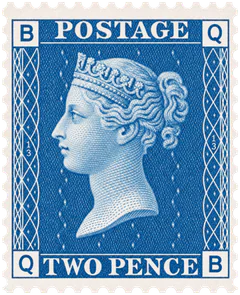
Victoria 2d blue 1869 Inherited Die II portrait revision 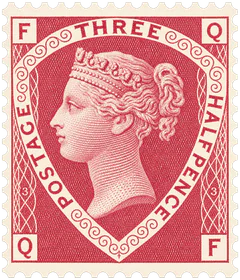
Victoria 1½d rose-red 1870 Inherited Die II portrait revision
An engraver across the Atlantic
Born in Dublin, Humphrys trained under George Murray in Philadelphia. He settled in London in 1825 and became known as the American engraver. In 1826 the Society of Arts awarded him its gold Isis medal for an etching fluid for steel. [1]
Revising a familiar face
For the 1855 Die II Penny Red, Humphrys deepened the lines of the existing royal portrait. The authorities required the original die to remain untouched, so he worked on a reproduction. The revised die was approved in November 1854 and marked NEW to distinguish it. [2]