
Waterlow & Sons
From legal documents to security printing
A printer’s name can conceal several generations of enterprise, rivalry and technical skill. Waterlow & Sons grew from a London document-copying business into a major producer of stamps and other security printing.
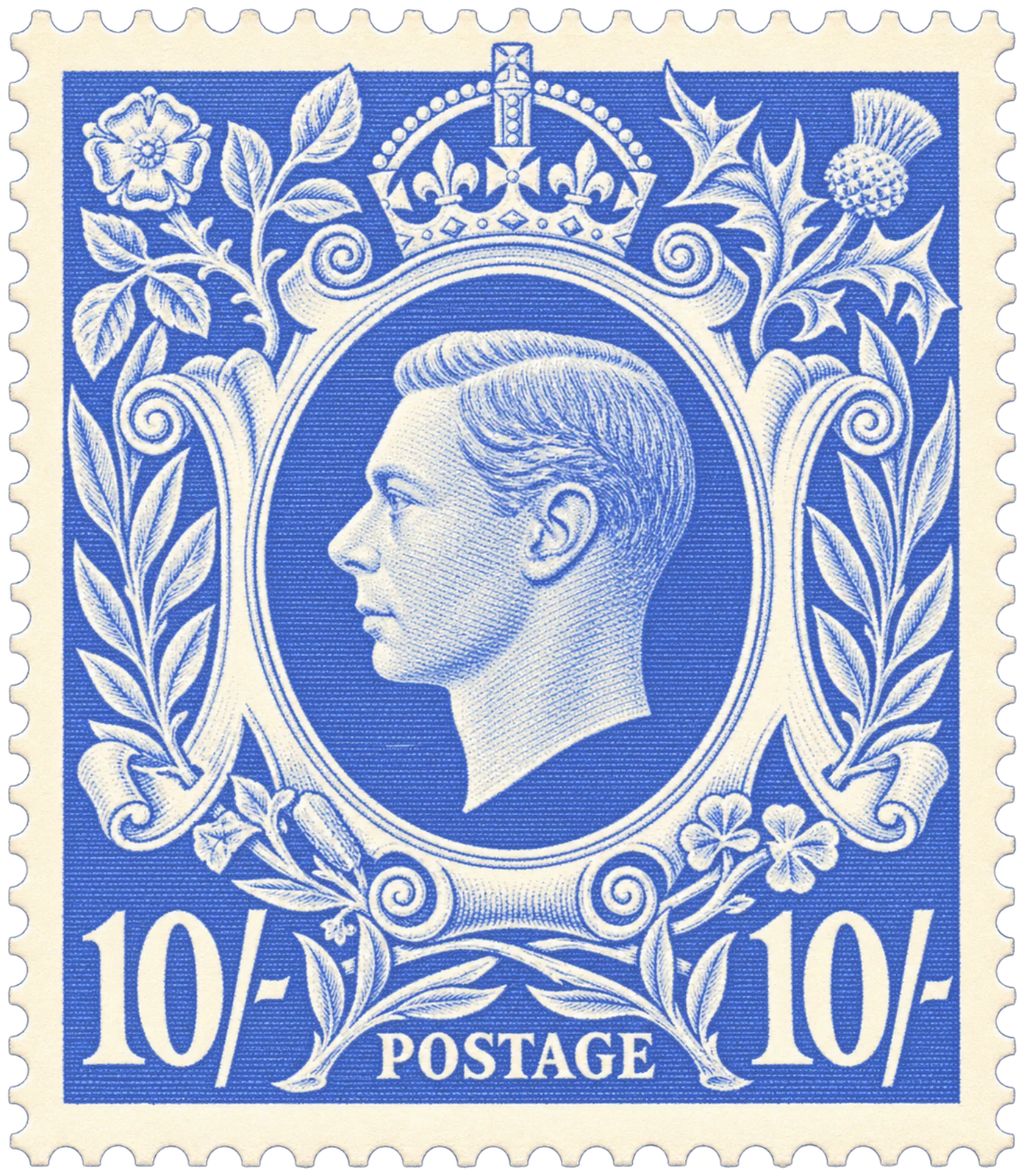
On the stamp you were exploring
George VI · 10s ultramarine · 30 November 1942
Waterlow & Sons printed this high value in recess. J. A. C. Harrison was the engraver of the original designs; he is not the printing firm Harrison & Sons.
On the stamp you were exploring
George VI · 10s ultramarine · 30 November 1942
Waterlow & Sons printed this high value in recess. J. A. C. Harrison was the engraver of the original designs; he is not the printing firm Harrison & Sons.
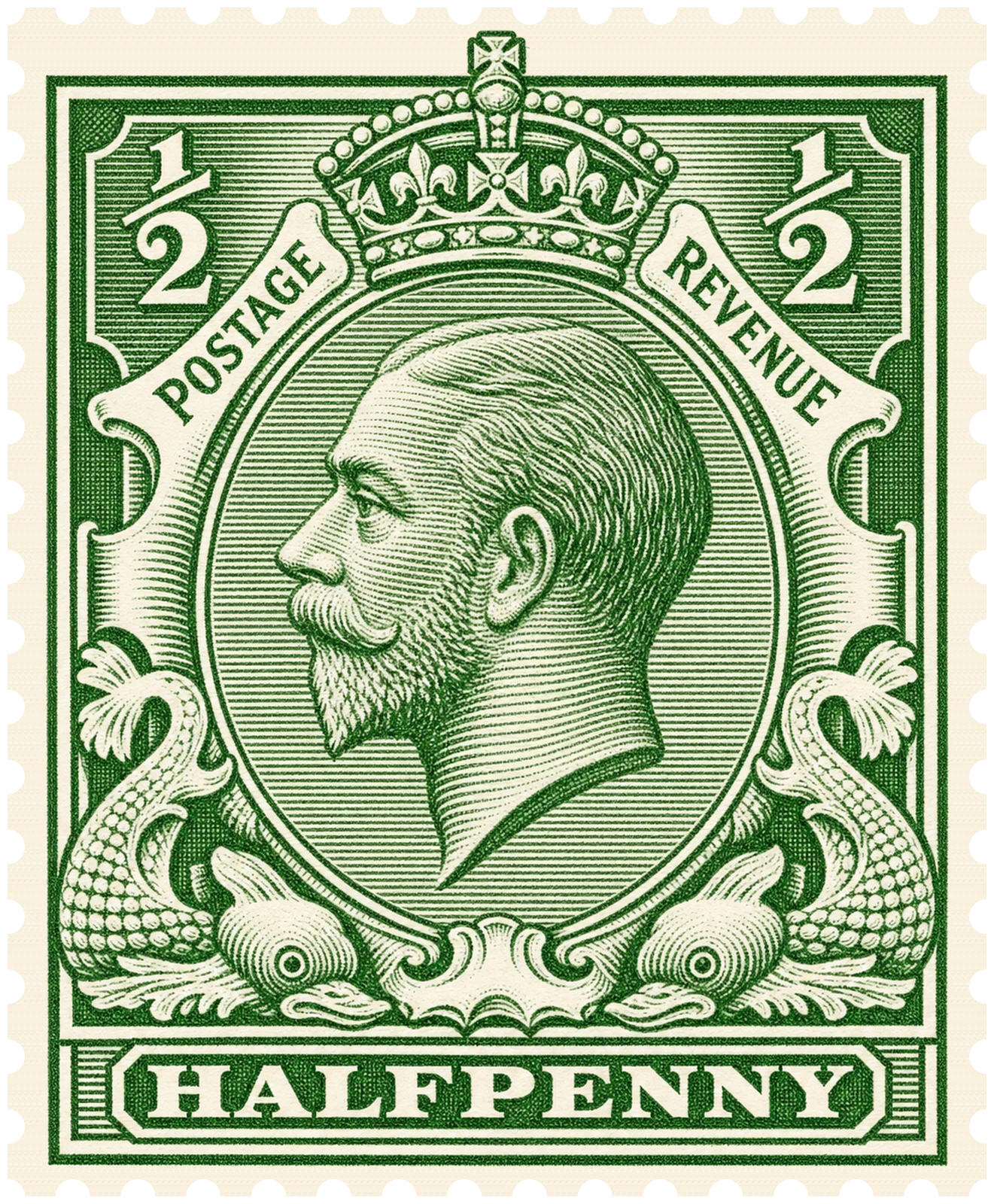
On the stamp you were exploring
George V · ½d green · Introduced 1924–1926
Waterlow held the main low-value contract from January 1924. Harrison regained it from January 1934, with provisional letterpress supplies continuing during the introduction of photogravure. Marginal evidence is needed for more precise attribution.
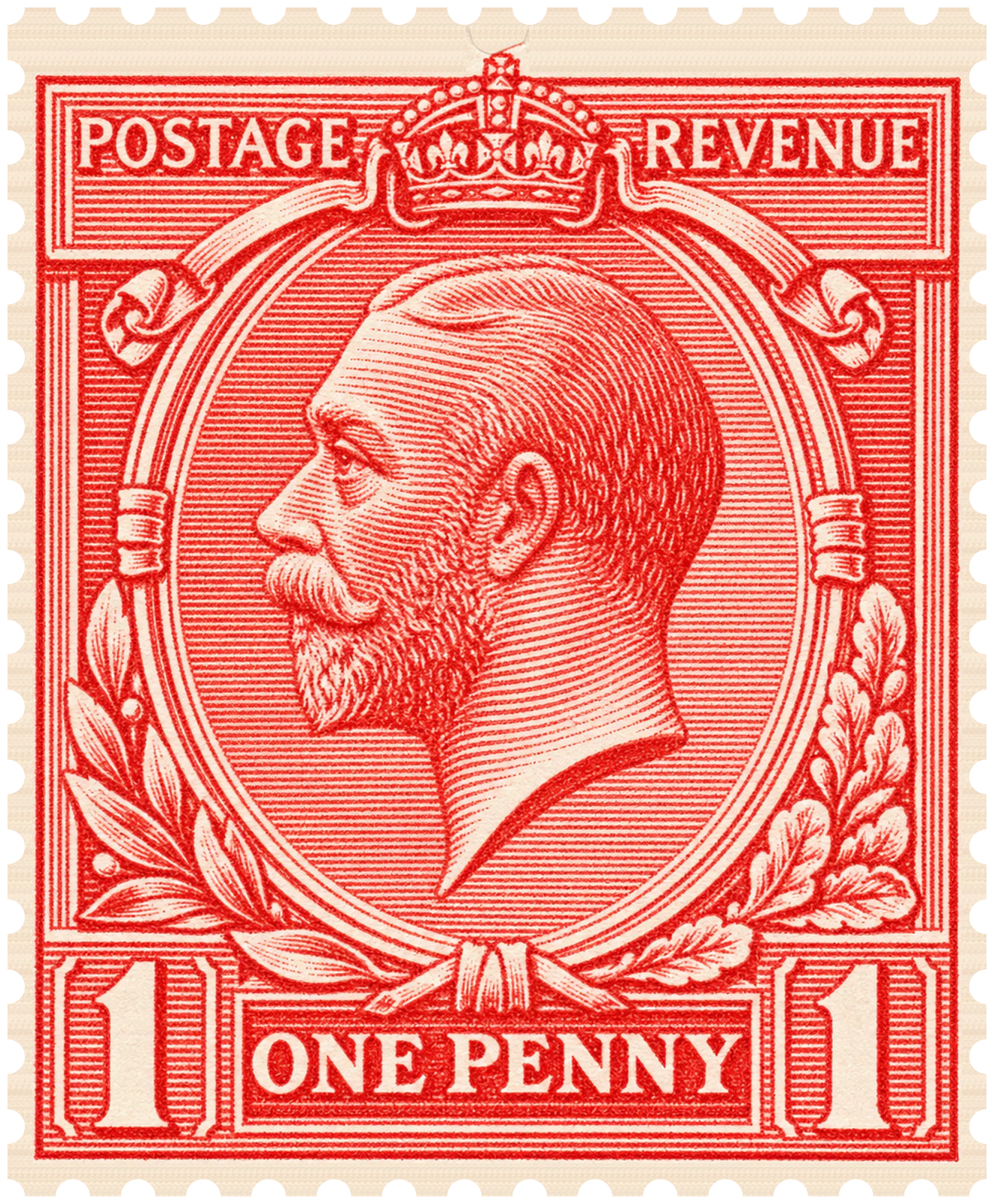
On the stamp you were exploring
George V · 1d scarlet · Introduced 1924–1926
Waterlow held the main low-value contract from January 1924. Harrison regained it from January 1934, with provisional letterpress supplies continuing during the introduction of photogravure. Marginal evidence is needed for more precise attribution.
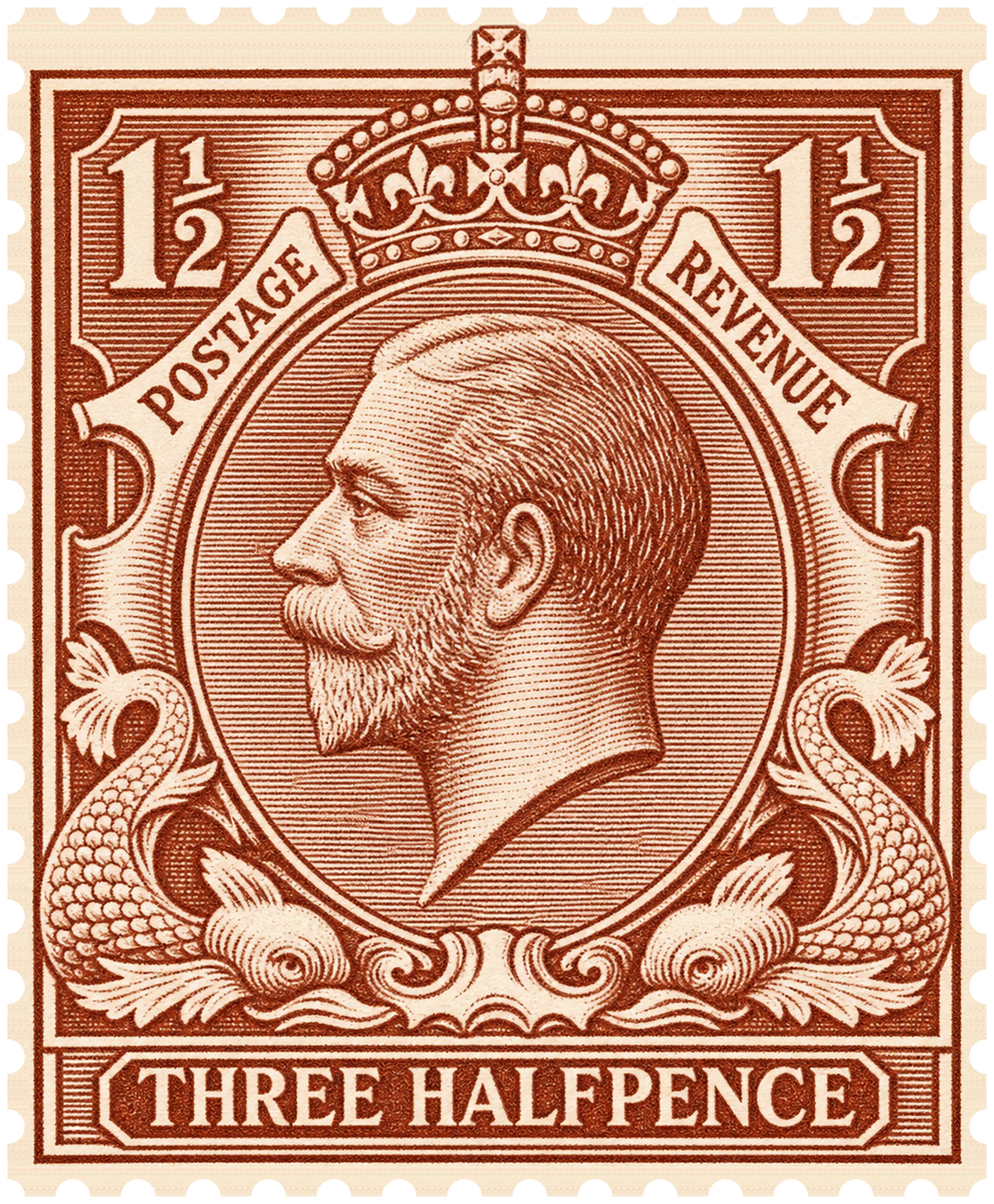
On the stamp you were exploring
George V · 1½d red-brown · Introduced 1924–1926
Waterlow was the main printer. The E.26 control records the Somerset House emergency printing associated with the General Strike. Harrison’s later letterpress continuation belongs to the transition from 1934.
On the stamp you were exploring
George V · 1½d red-brown · Introduced 1924–1926
Waterlow was the main printer. The E.26 control records the Somerset House emergency printing associated with the General Strike. Harrison’s later letterpress continuation belongs to the transition from 1934.
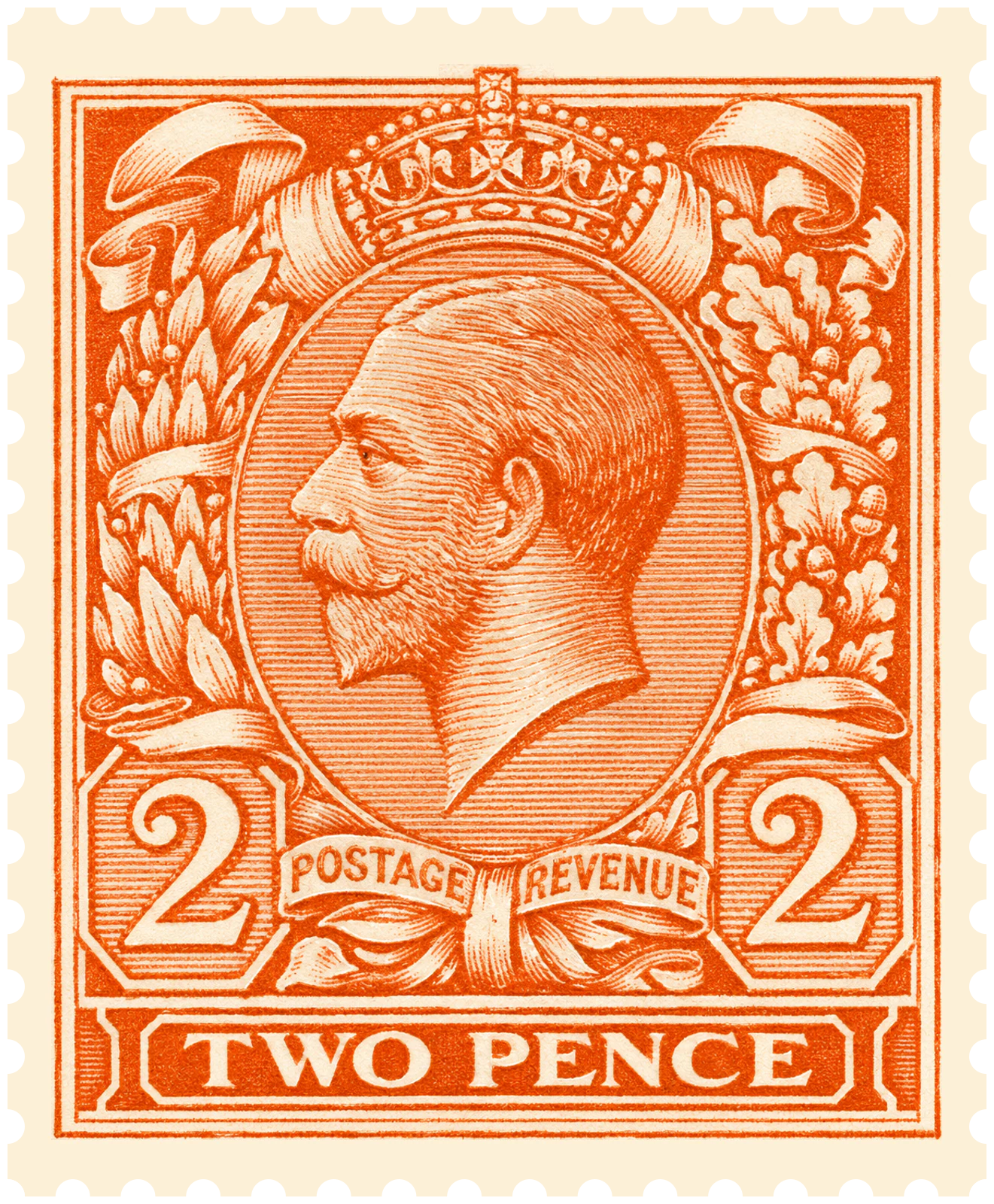
On the stamp you were exploring
George V · 2d orange · Introduced 1924–1926
Waterlow held the main low-value contract from January 1924. Harrison regained it from January 1934, with provisional letterpress supplies continuing during the introduction of photogravure. Marginal evidence is needed for more precise attribution.
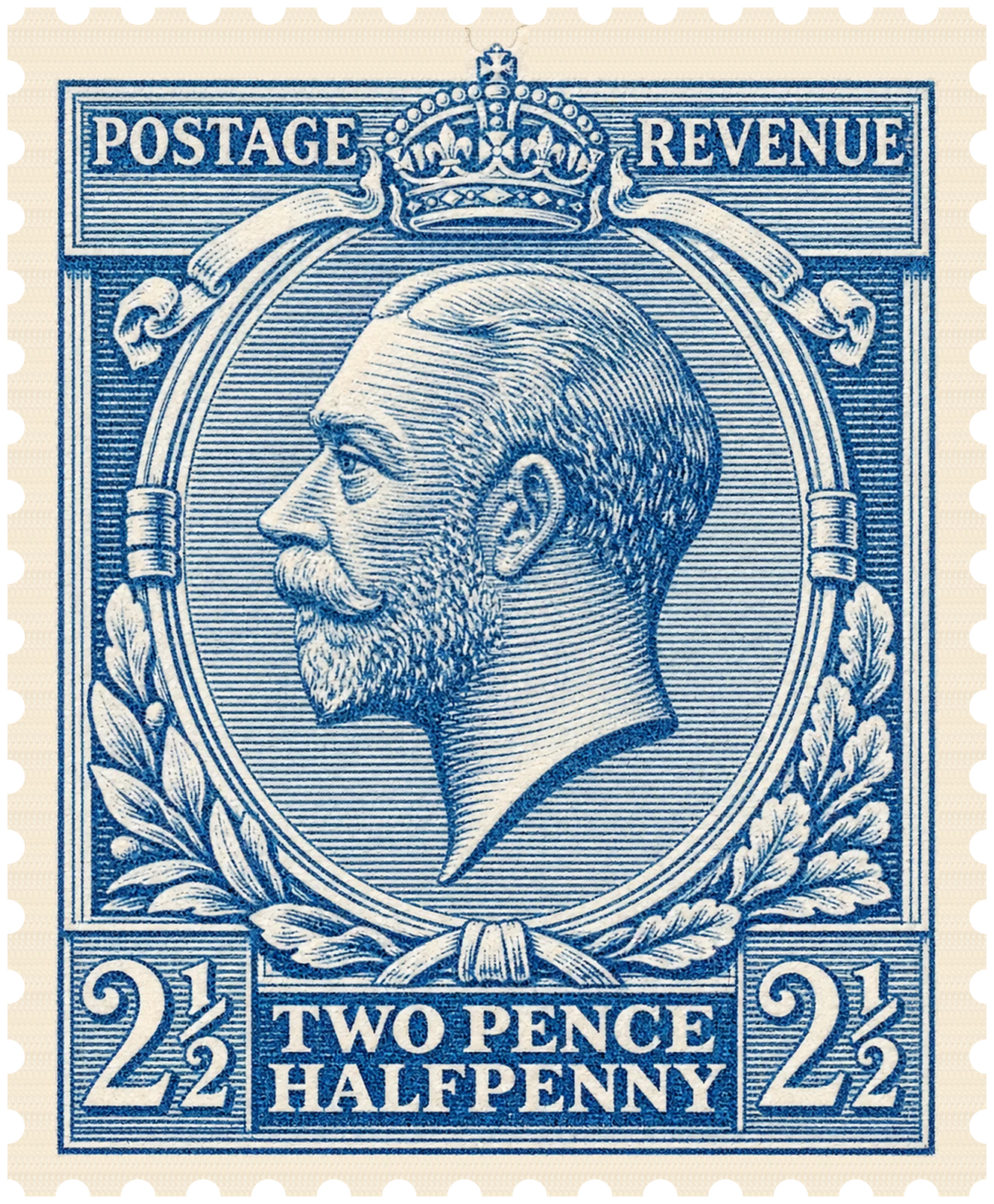
On the stamp you were exploring
George V · 2½d blue · Introduced 1924–1926
Waterlow held the main low-value contract from January 1924. Harrison regained it from January 1934, with provisional letterpress supplies continuing during the introduction of photogravure. Marginal evidence is needed for more precise attribution.
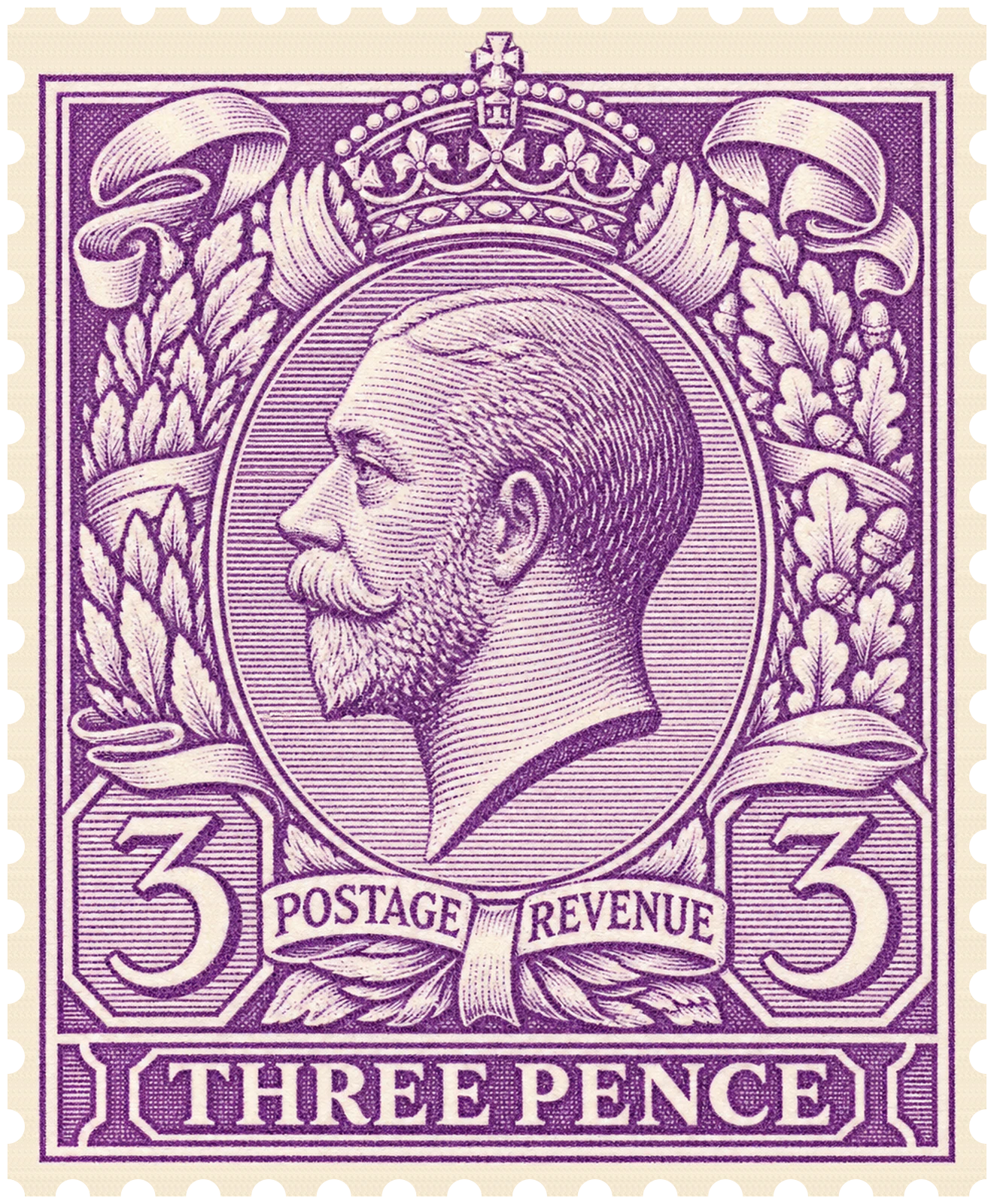
On the stamp you were exploring
George V · 3d violet · Introduced 1924–1926
Waterlow held the main low-value contract from January 1924. Harrison regained it from January 1934, with provisional letterpress supplies continuing during the introduction of photogravure. Marginal evidence is needed for more precise attribution.
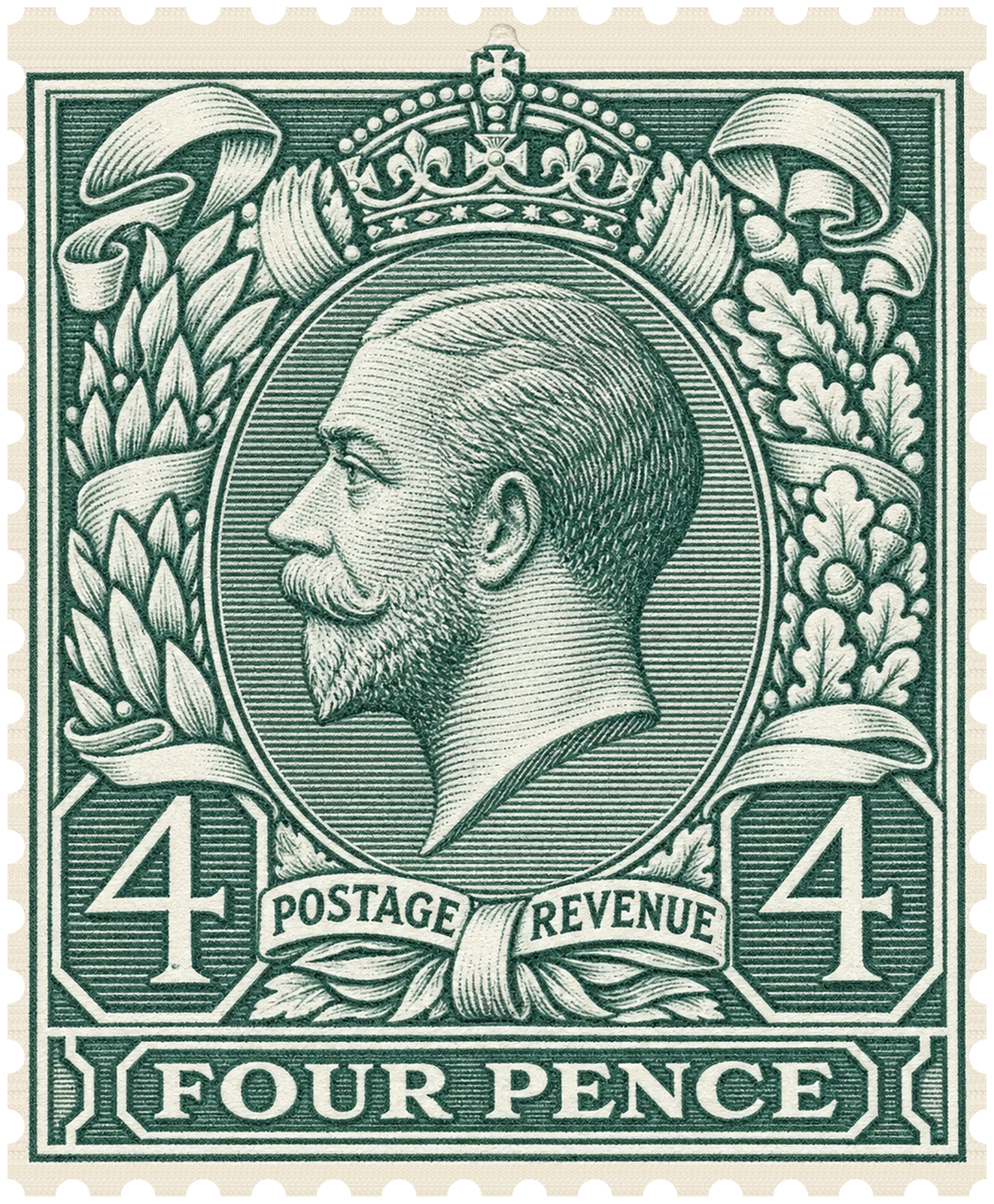
On the stamp you were exploring
George V · 4d grey-green · Introduced 1924–1926
Waterlow held the main low-value contract from January 1924. Harrison regained it from January 1934, with provisional letterpress supplies continuing during the introduction of photogravure. Marginal evidence is needed for more precise attribution.
On the stamp you were exploring
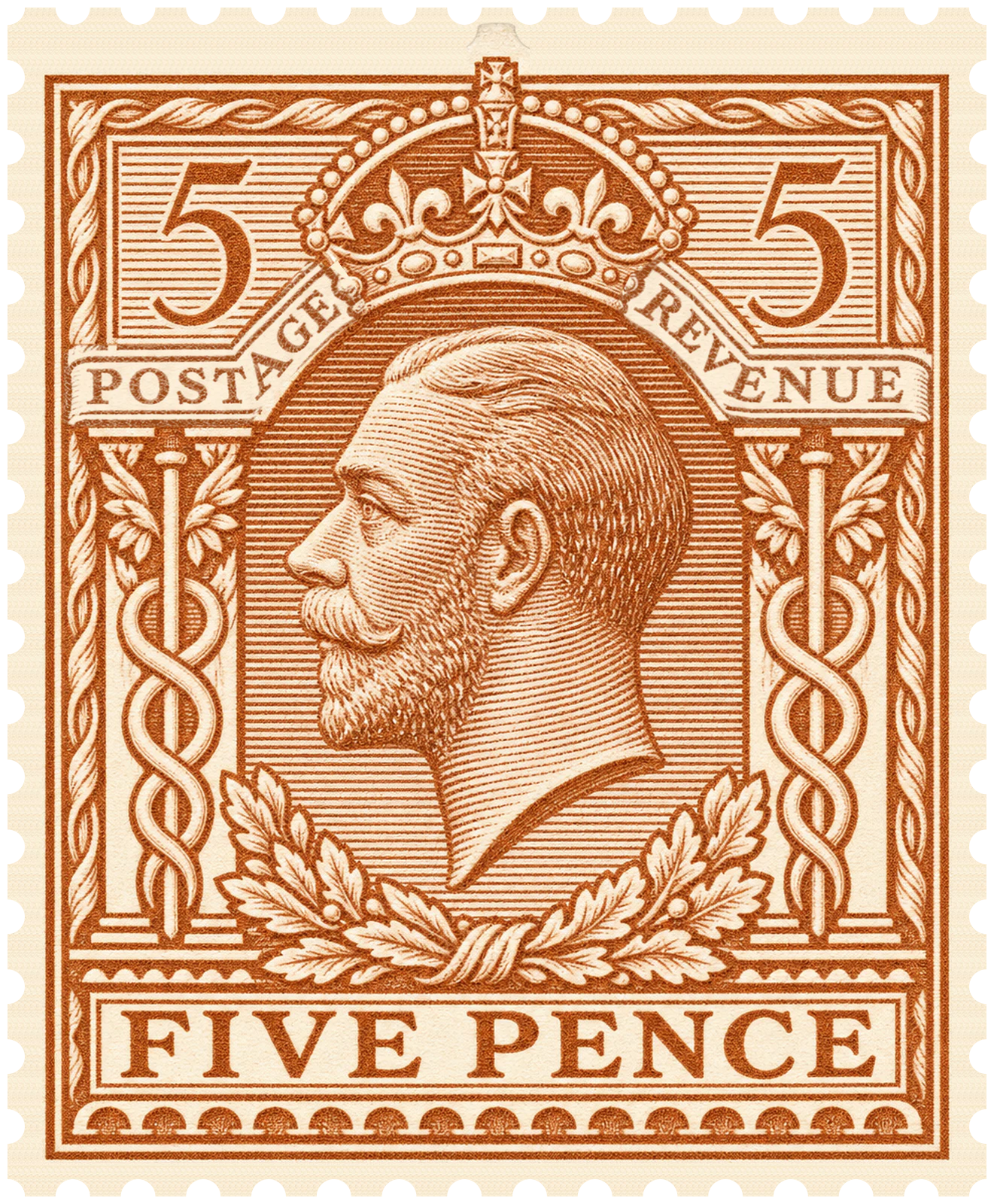
George V · 5d brown · Introduced 1924–1926
Waterlow held the main low-value contract from January 1924. Harrison regained it from January 1934, with provisional letterpress supplies continuing during the introduction of photogravure. Marginal evidence is needed for more precise attribution.
On the stamp you were exploring
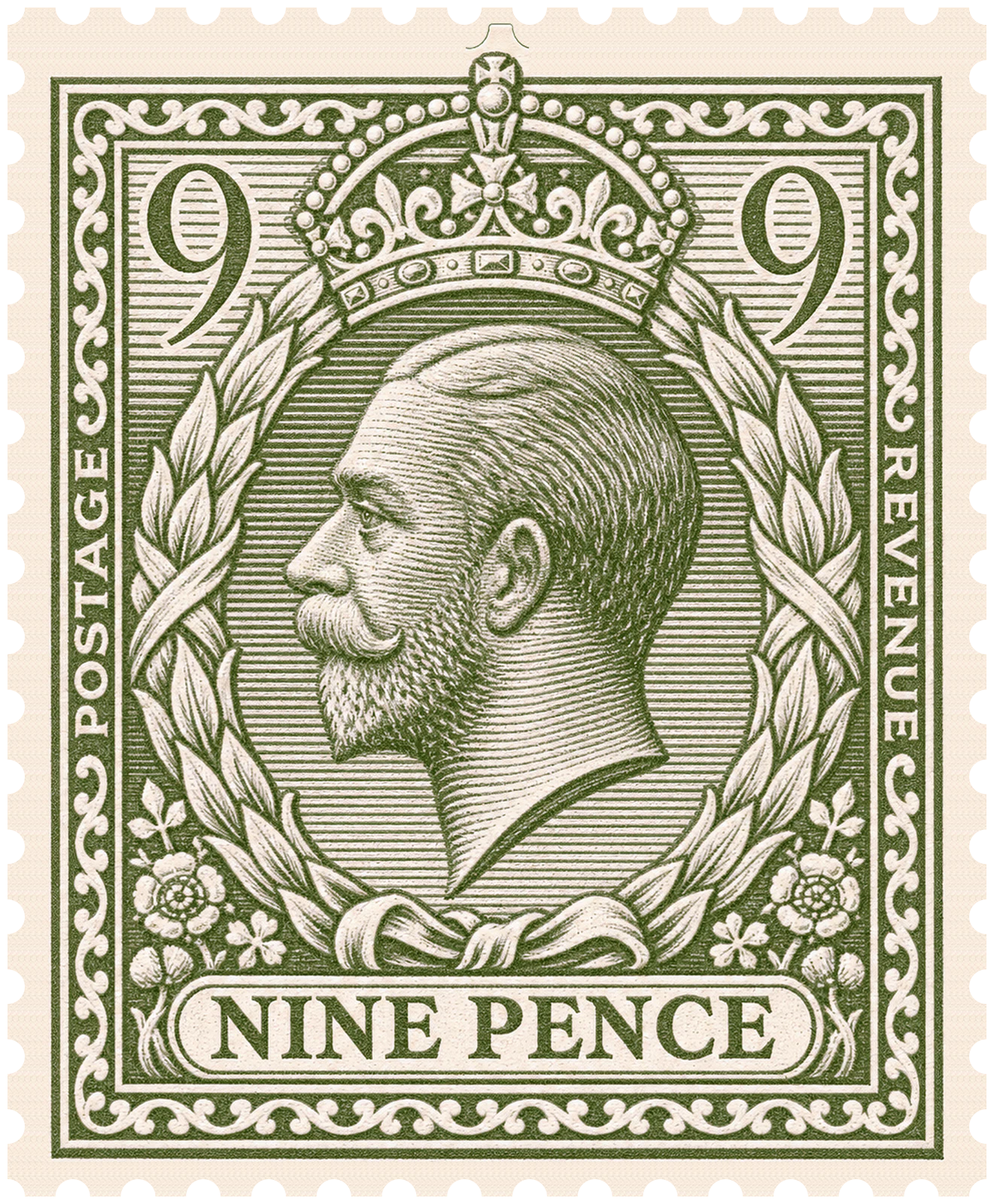
George V · 9d olive-green · Introduced 1924–1926
Waterlow held the main low-value contract from January 1924. Harrison regained it from January 1934, with provisional letterpress supplies continuing during the introduction of photogravure. Marginal evidence is needed for more precise attribution.
On the stamp you were exploring
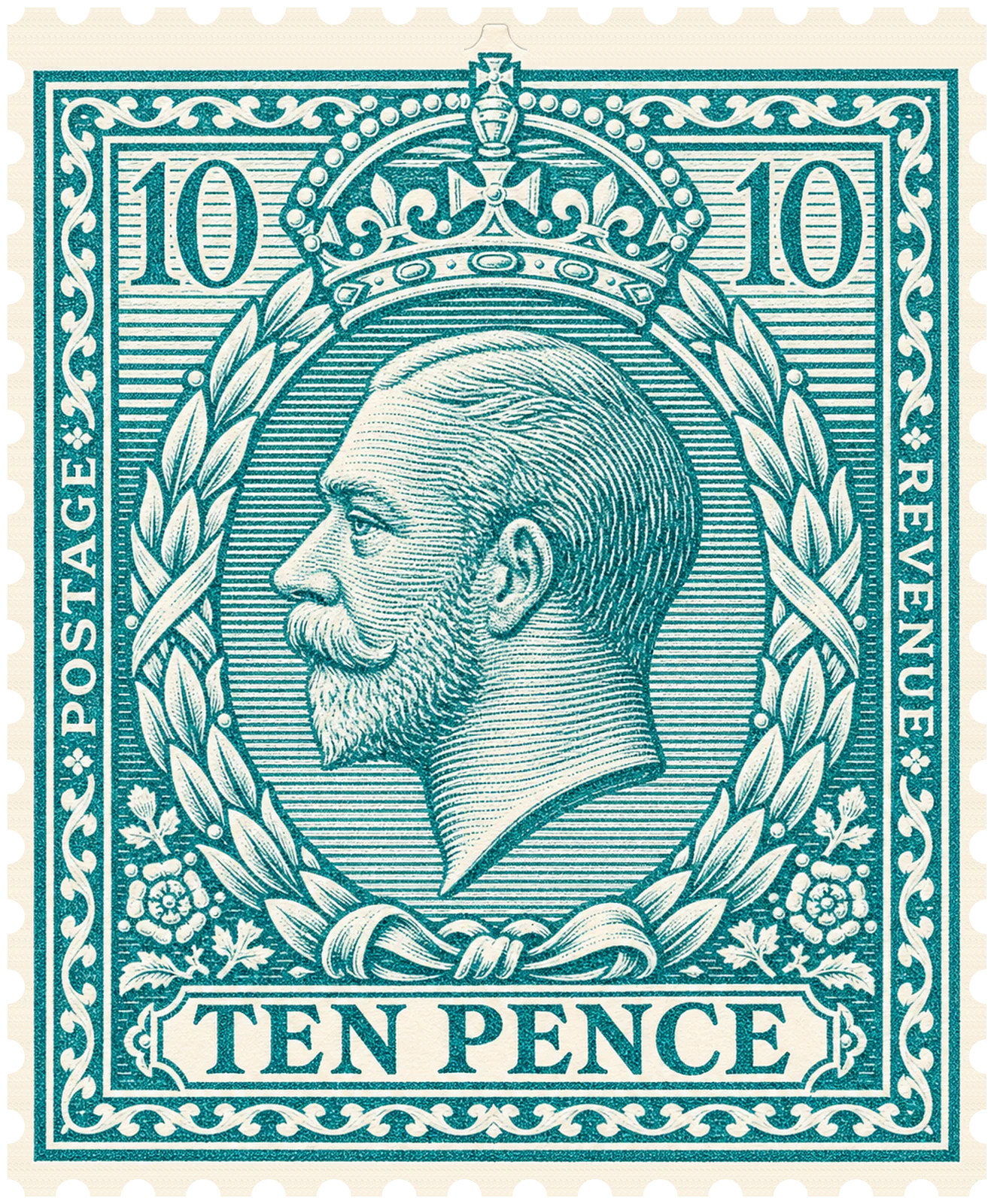
George V · 10d turquoise-blue · Introduced 1924–1926
Waterlow held the main low-value contract from January 1924. Harrison regained it from January 1934, with provisional letterpress supplies continuing during the introduction of photogravure. Marginal evidence is needed for more precise attribution.
On the stamp you were exploring
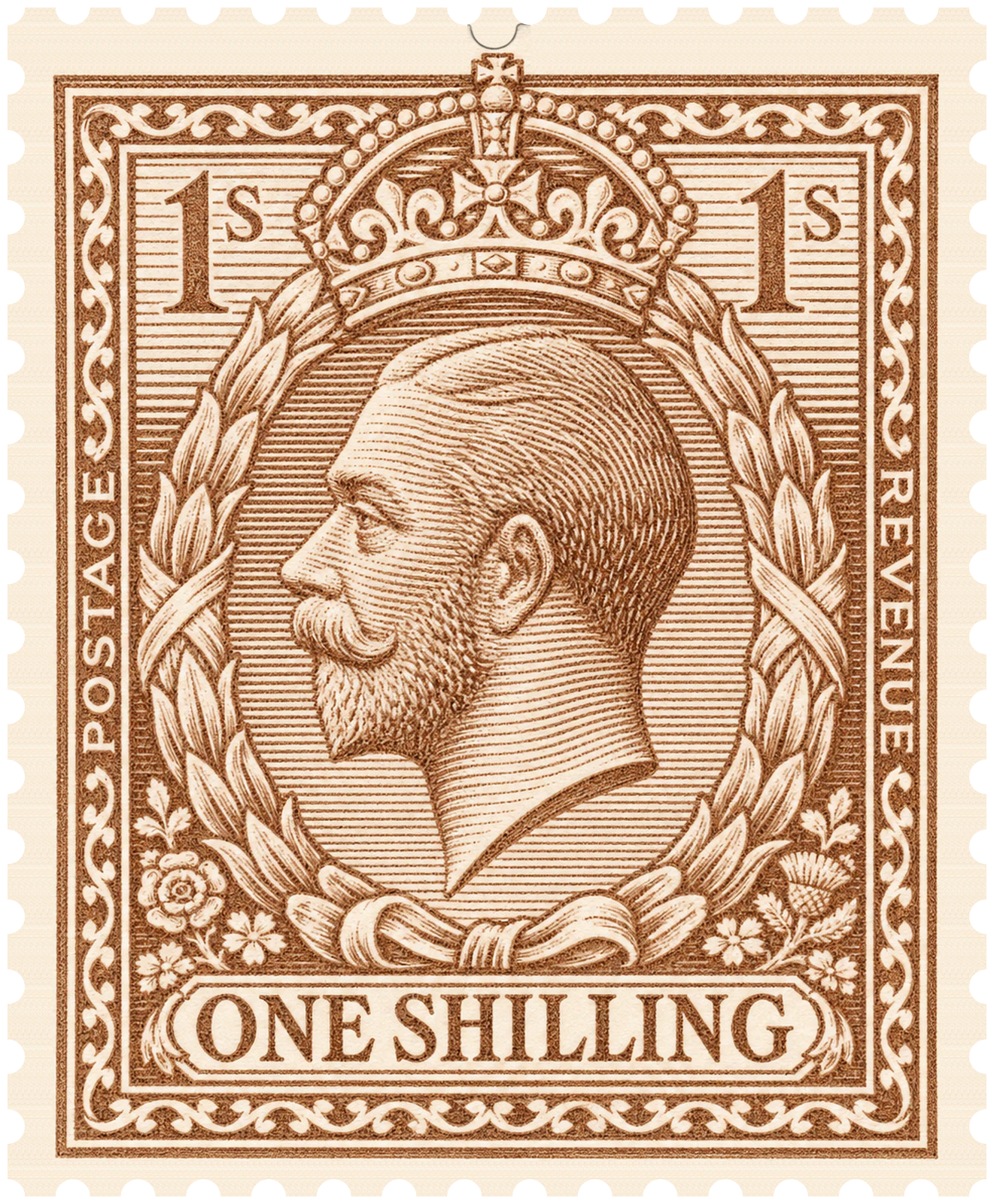
George V · 1s bistre-brown · Introduced 1924–1926
Waterlow held the main low-value contract from January 1924. Harrison regained it from January 1934, with provisional letterpress supplies continuing during the introduction of photogravure. Marginal evidence is needed for more precise attribution.
On the stamp you were exploring
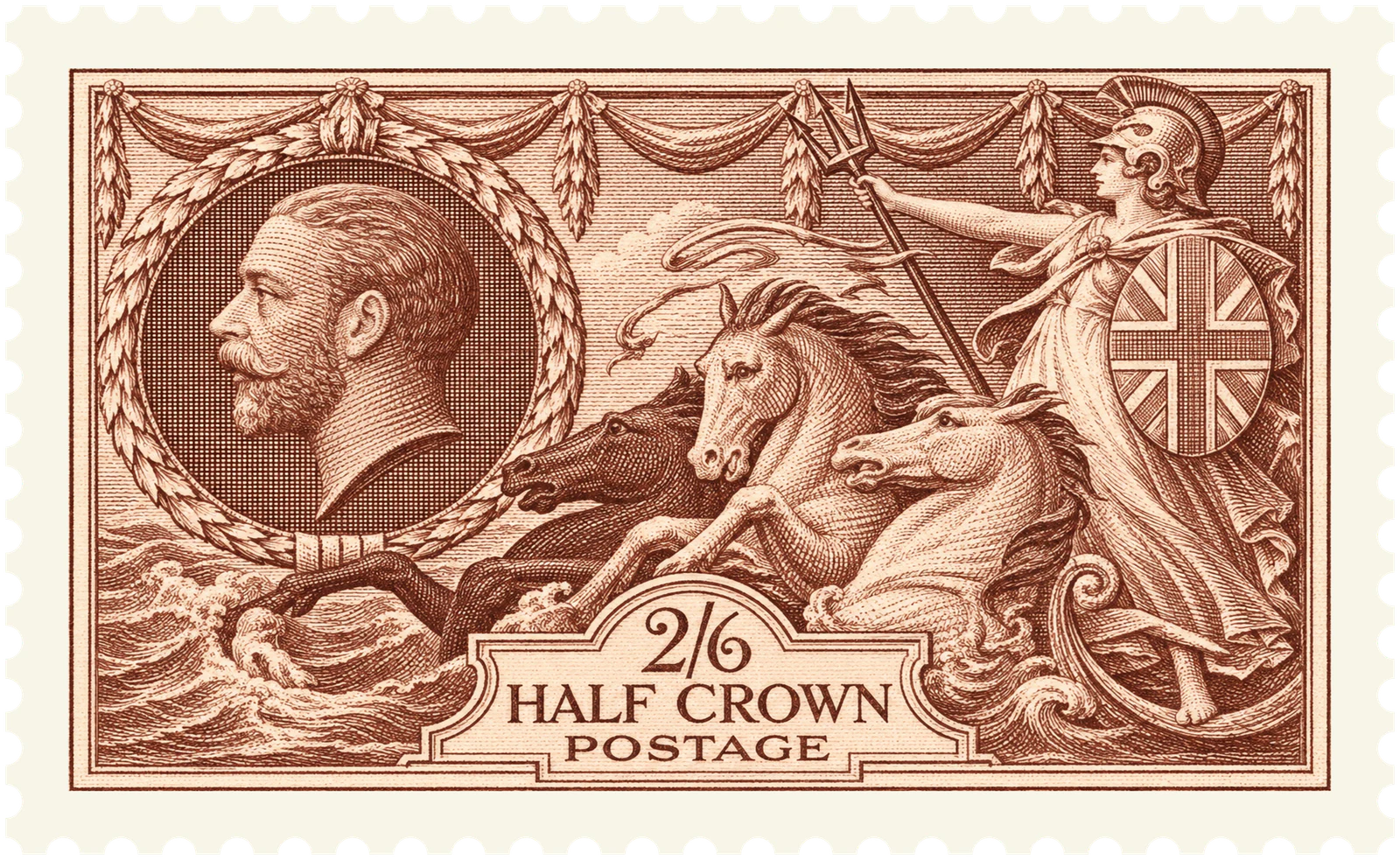
George V · 2s 6d reddish-brown · 1934
Waterlow & Sons produced this 2s 6d by recess printing. The 1934 work uses the revised, cross-hatched portrait background.
On the stamp you were exploring
George V · 2s 6d reddish-brown · 1934
Waterlow & Sons produced this 2s 6d by recess printing. The 1934 work uses the revised, cross-hatched portrait background.
On the stamp you were exploring
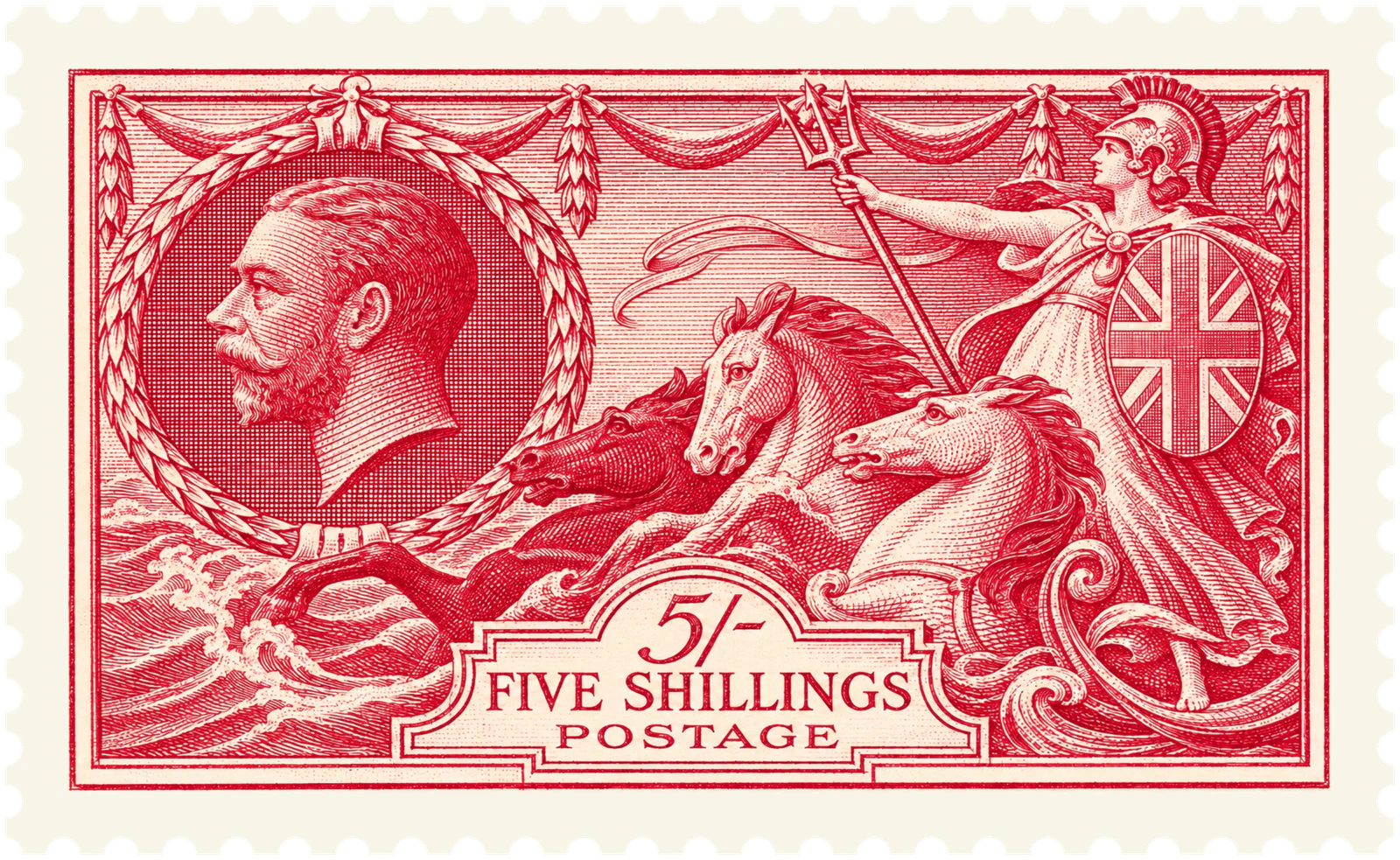
George V · 5s bright rose-red · 1934
Waterlow & Sons produced this 5s by recess printing. The 1934 work uses the revised, cross-hatched portrait background.
On the stamp you were exploring
George V · 5s bright rose-red · 1934
Waterlow & Sons produced this 5s by recess printing. The 1934 work uses the revised, cross-hatched portrait background.
On the stamp you were exploring
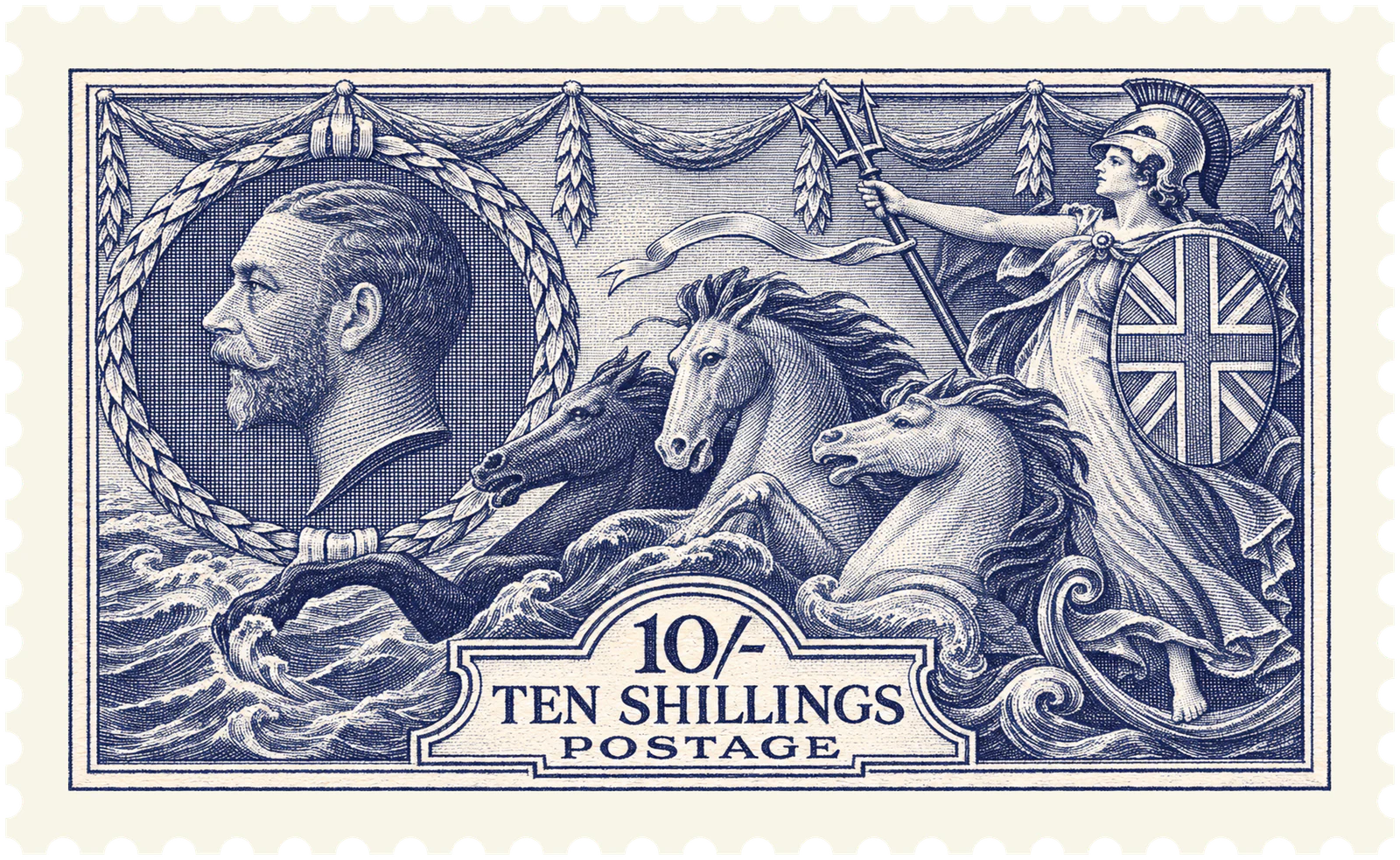
George V · 10s indigo · 1934
Waterlow & Sons produced this 10s by recess printing. The 1934 work uses the revised, cross-hatched portrait background.
On the stamp you were exploring
George V · 10s indigo · 1934
Waterlow & Sons produced this 10s by recess printing. The 1934 work uses the revised, cross-hatched portrait background.
On the stamp you were exploring
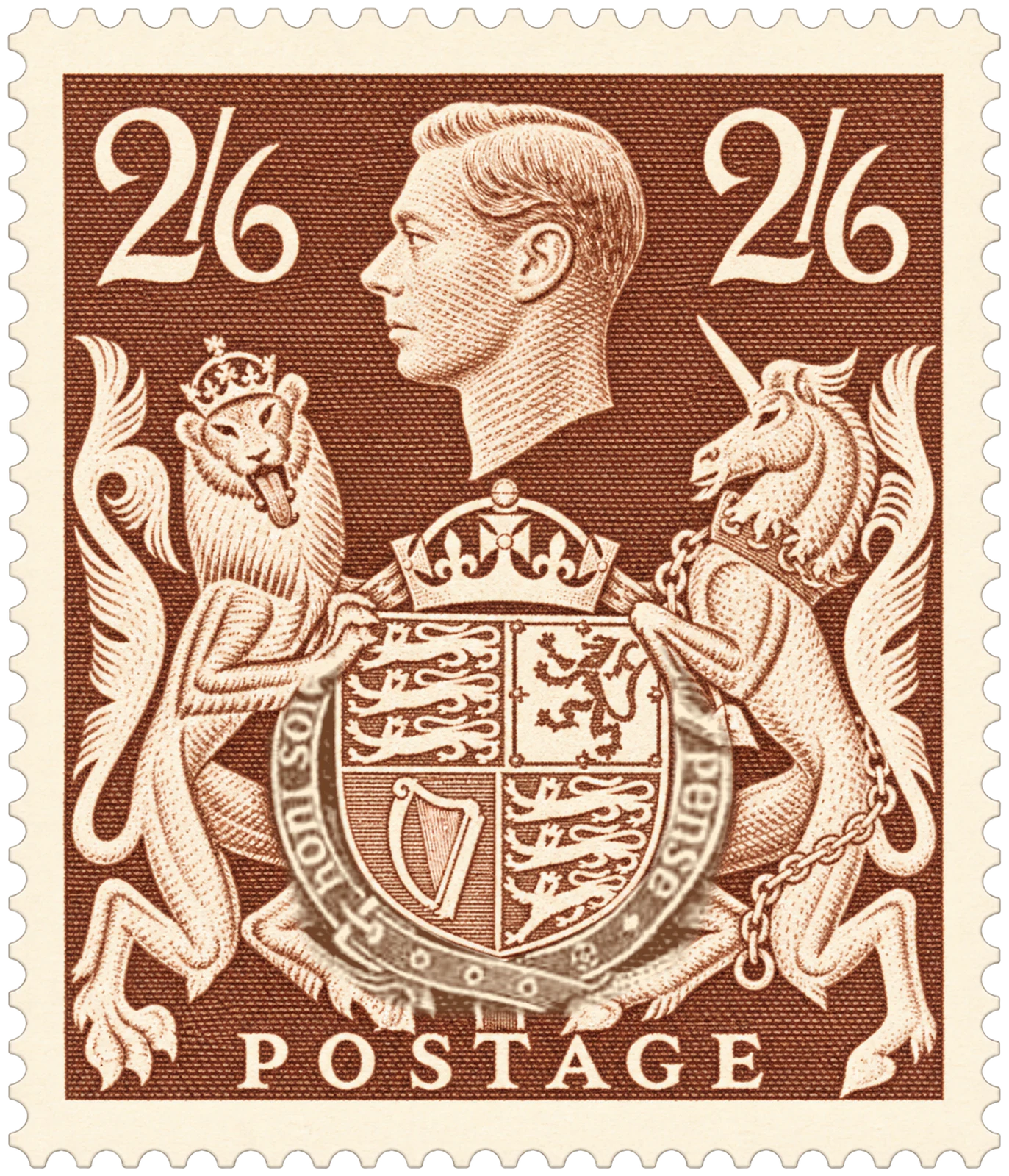
George VI · 2s 6d brown · 4 September 1939
Waterlow & Sons printed this high value in recess. J. A. C. Harrison was the engraver of the original designs; he is not the printing firm Harrison & Sons.
On the stamp you were exploring
George VI · 2s 6d brown · 4 September 1939
Waterlow & Sons printed this high value in recess. J. A. C. Harrison was the engraver of the original designs; he is not the printing firm Harrison & Sons.
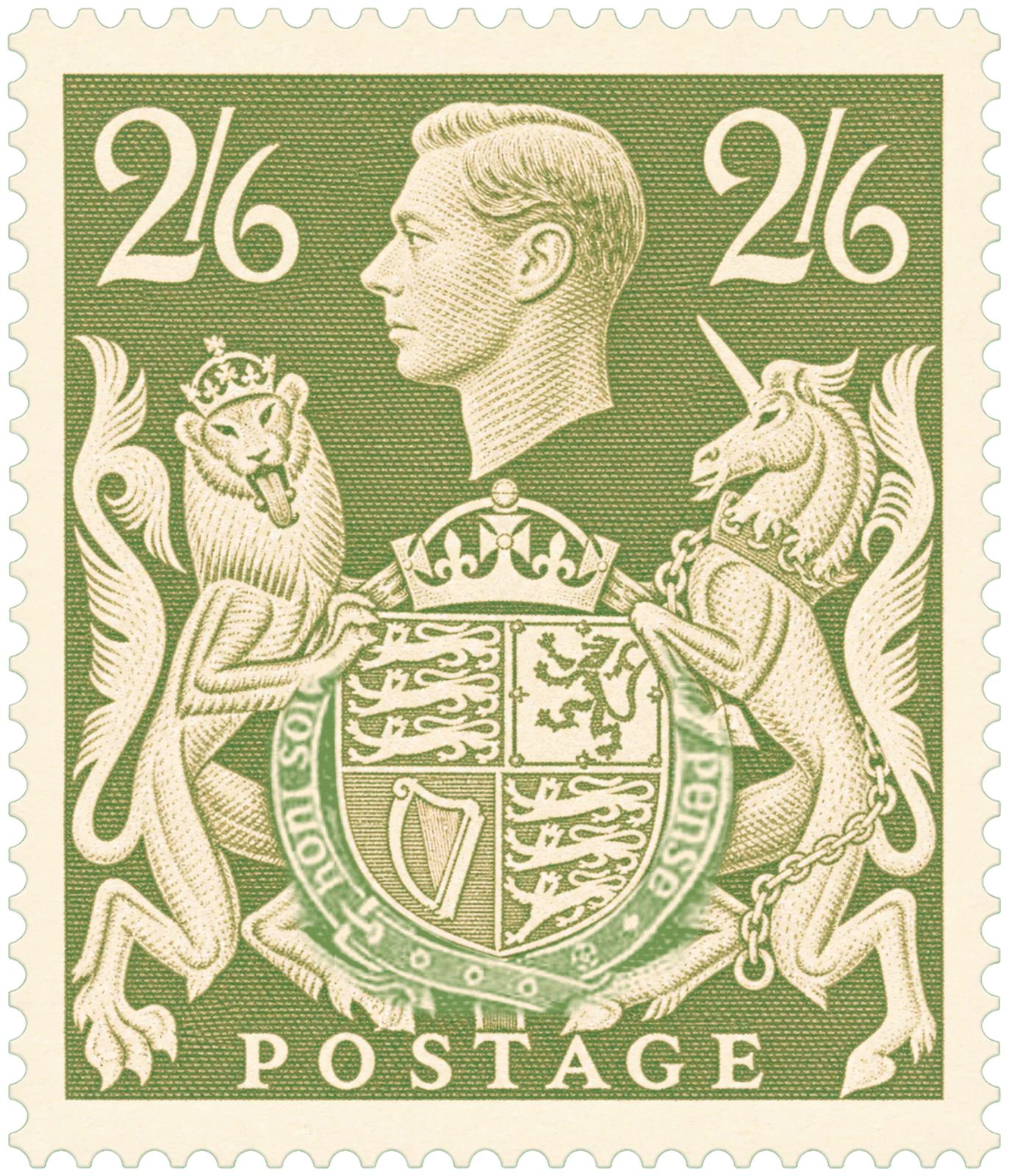
On the stamp you were exploring
George VI · 2s 6d yellow-green · 9 March 1942
Waterlow & Sons printed this high value in recess. J. A. C. Harrison was the engraver of the original designs; he is not the printing firm Harrison & Sons.
On the stamp you were exploring
George VI · 2s 6d yellow-green · 9 March 1942
Waterlow & Sons printed this high value in recess. J. A. C. Harrison was the engraver of the original designs; he is not the printing firm Harrison & Sons.
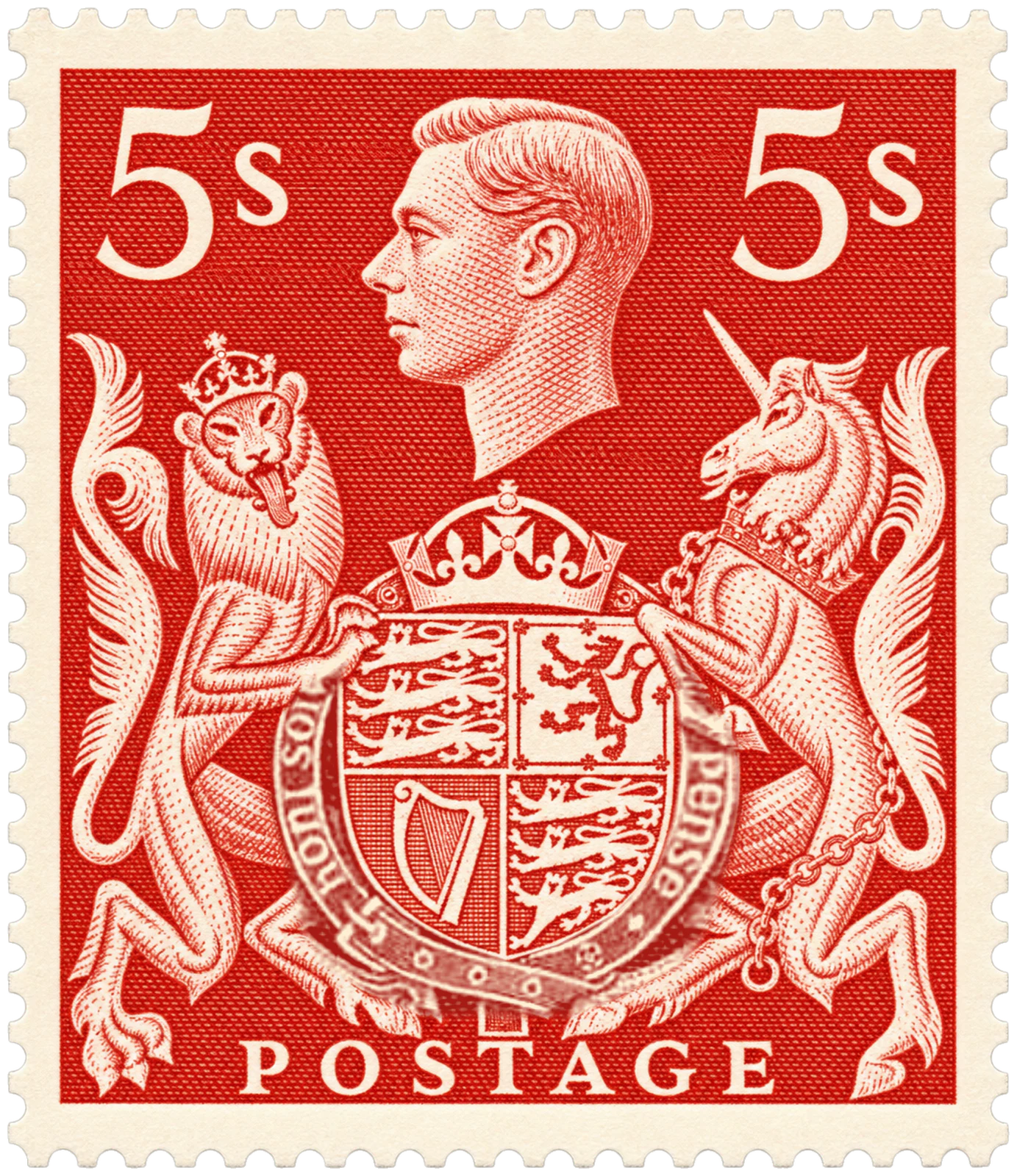
On the stamp you were exploring
George VI · 5s red · 21 August 1939
Waterlow & Sons printed this high value in recess. J. A. C. Harrison was the engraver of the original designs; he is not the printing firm Harrison & Sons.
On the stamp you were exploring
George VI · 5s red · 21 August 1939
Waterlow & Sons printed this high value in recess. J. A. C. Harrison was the engraver of the original designs; he is not the printing firm Harrison & Sons.
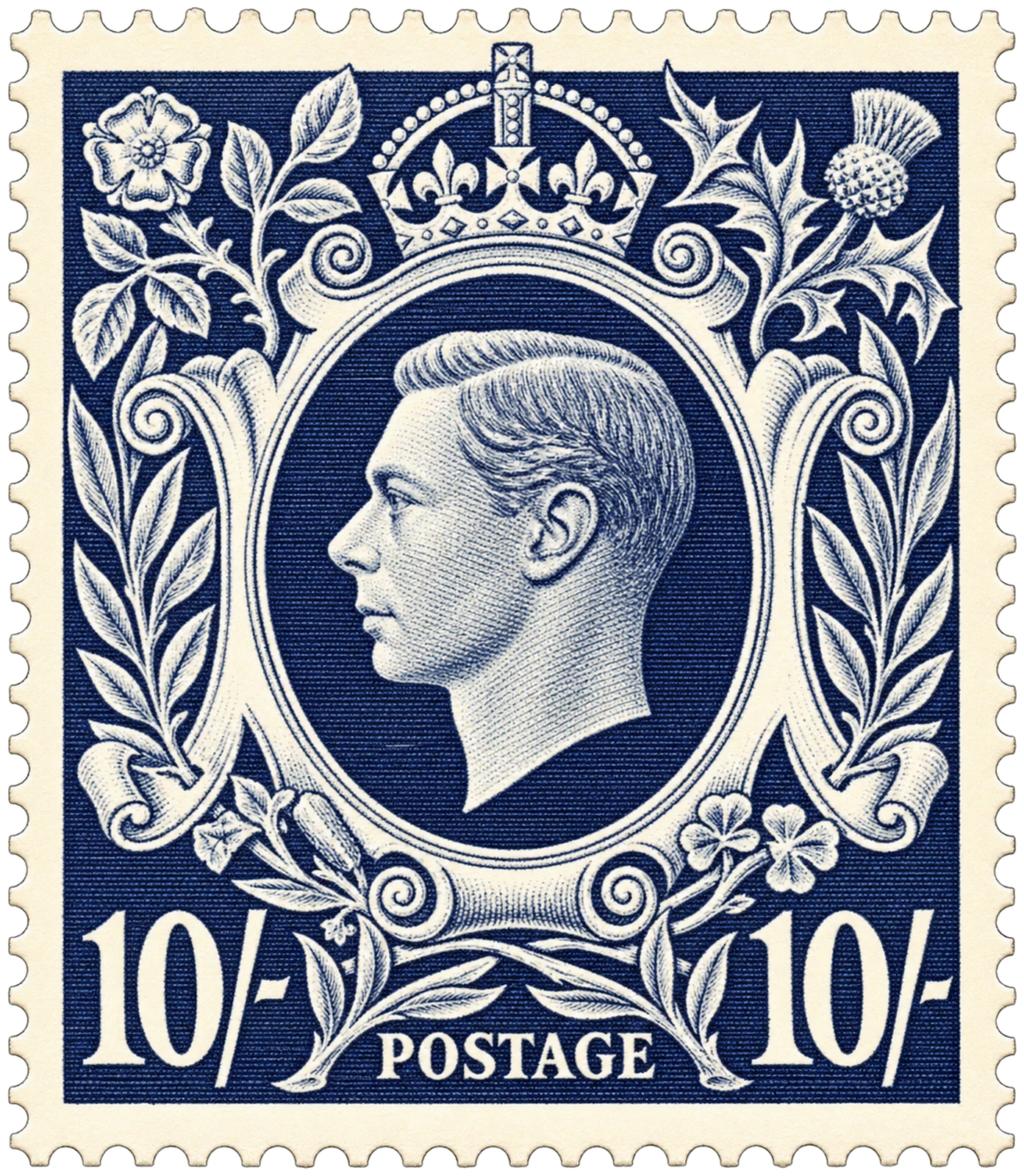
On the stamp you were exploring
George VI · 10s dark blue · 30 October 1939
Waterlow & Sons printed this high value in recess. J. A. C. Harrison was the engraver of the original designs; he is not the printing firm Harrison & Sons.
On the stamp you were exploring
George VI · 10s dark blue · 30 October 1939
Waterlow & Sons printed this high value in recess. J. A. C. Harrison was the engraver of the original designs; he is not the printing firm Harrison & Sons.
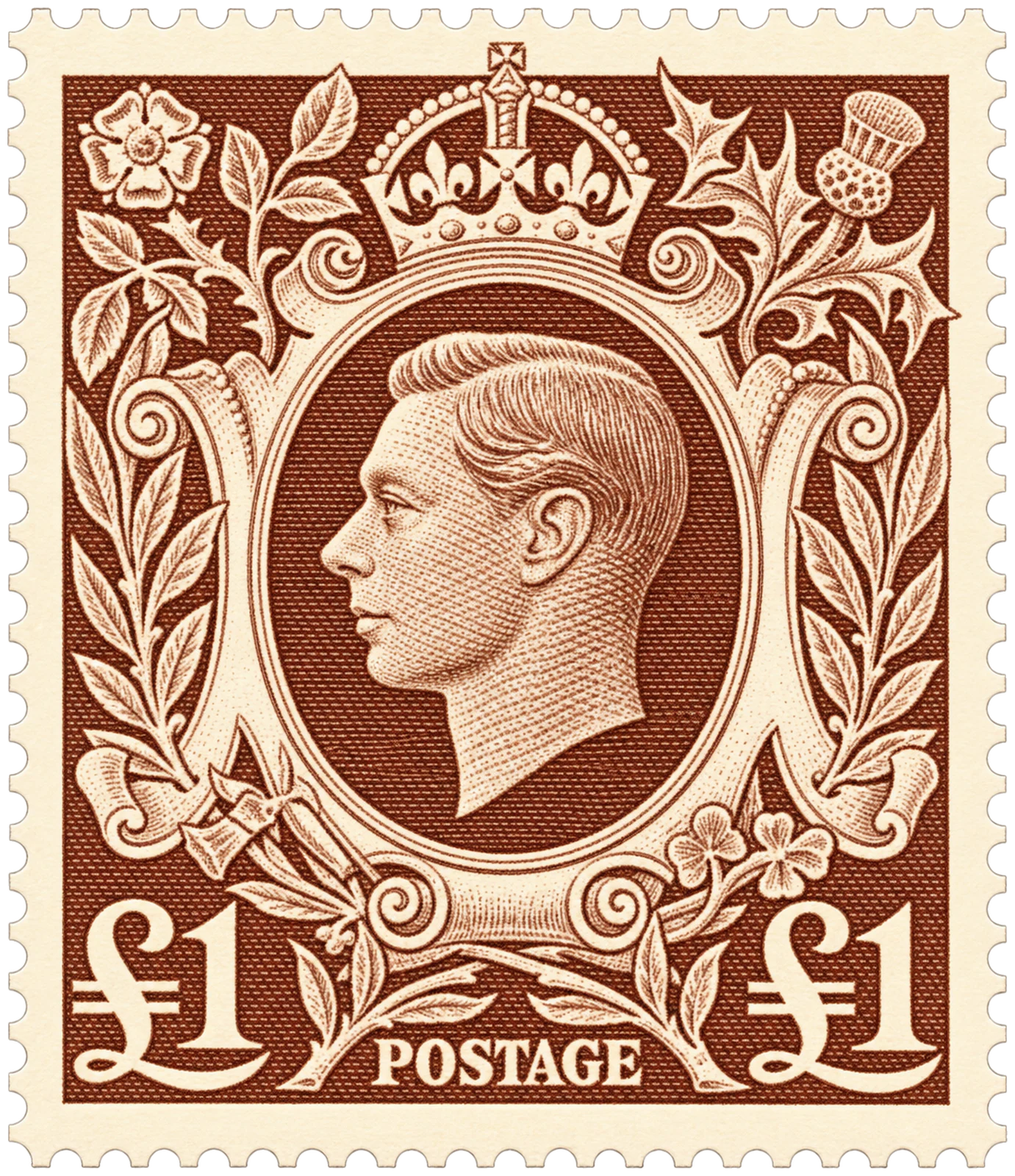
On the stamp you were exploring
George VI · £1 brown · 1 October 1948
Waterlow & Sons printed this high value in recess. J. A. C. Harrison was the engraver of the original designs; he is not the printing firm Harrison & Sons.
On the stamp you were exploring
George VI · £1 brown · 1 October 1948
Waterlow & Sons printed this high value in recess. J. A. C. Harrison was the engraver of the original designs; he is not the printing firm Harrison & Sons.
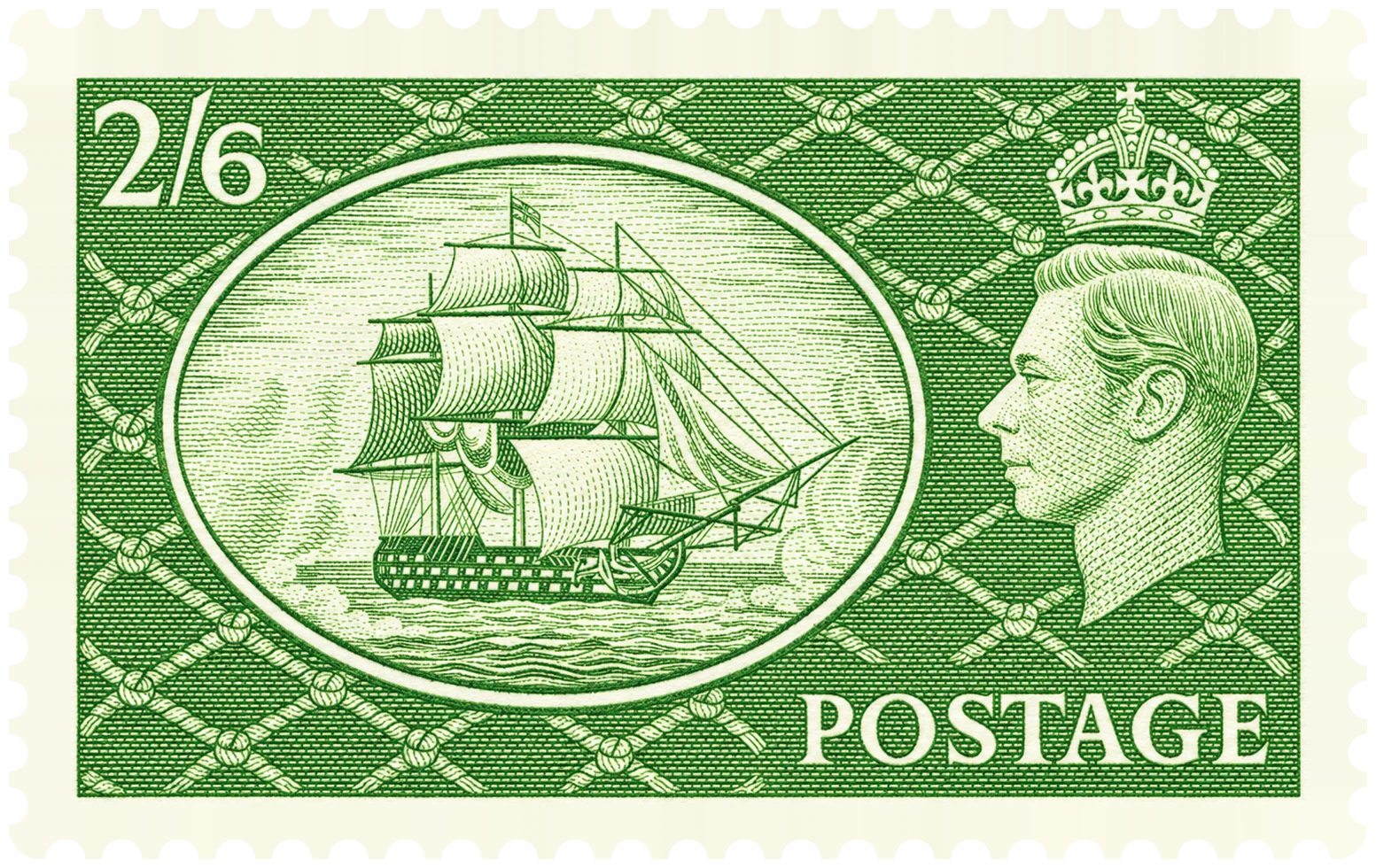
On the stamp you were exploring
George VI · 2s 6d yellow-green · 3 May 1951
Waterlow & Sons engraved and printed this pictorial high value. Harrison & Sons printed the small George VI definitives by a different process.
On the stamp you were exploring
George VI · 2s 6d yellow-green · 3 May 1951
Waterlow & Sons engraved and printed this pictorial high value. Harrison & Sons printed the small George VI definitives by a different process.
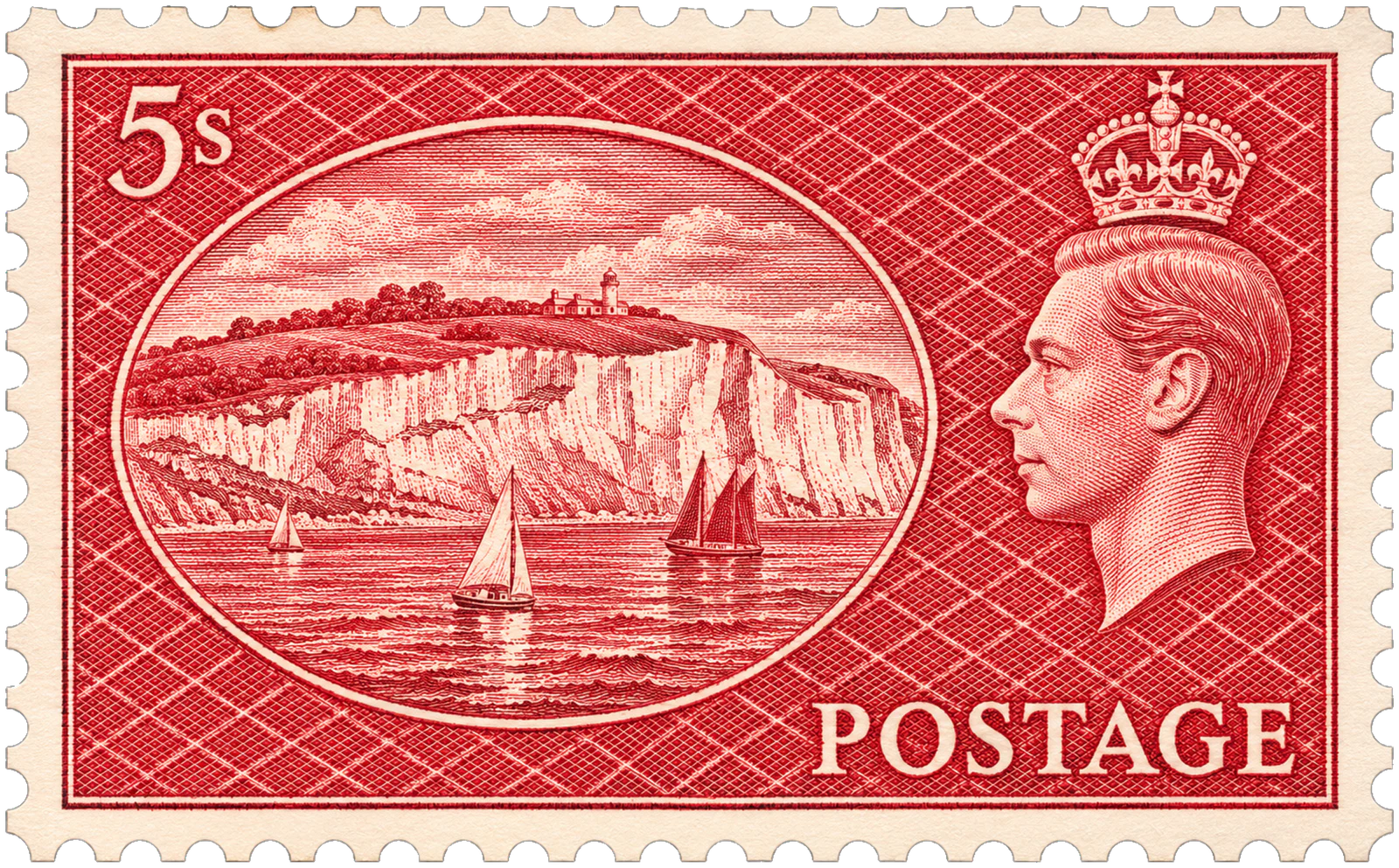
On the stamp you were exploring
George VI · 5s red · 3 May 1951
Waterlow & Sons engraved and printed this pictorial high value. Harrison & Sons printed the small George VI definitives by a different process.
On the stamp you were exploring
George VI · 5s red · 3 May 1951
Waterlow & Sons engraved and printed this pictorial high value. Harrison & Sons printed the small George VI definitives by a different process.
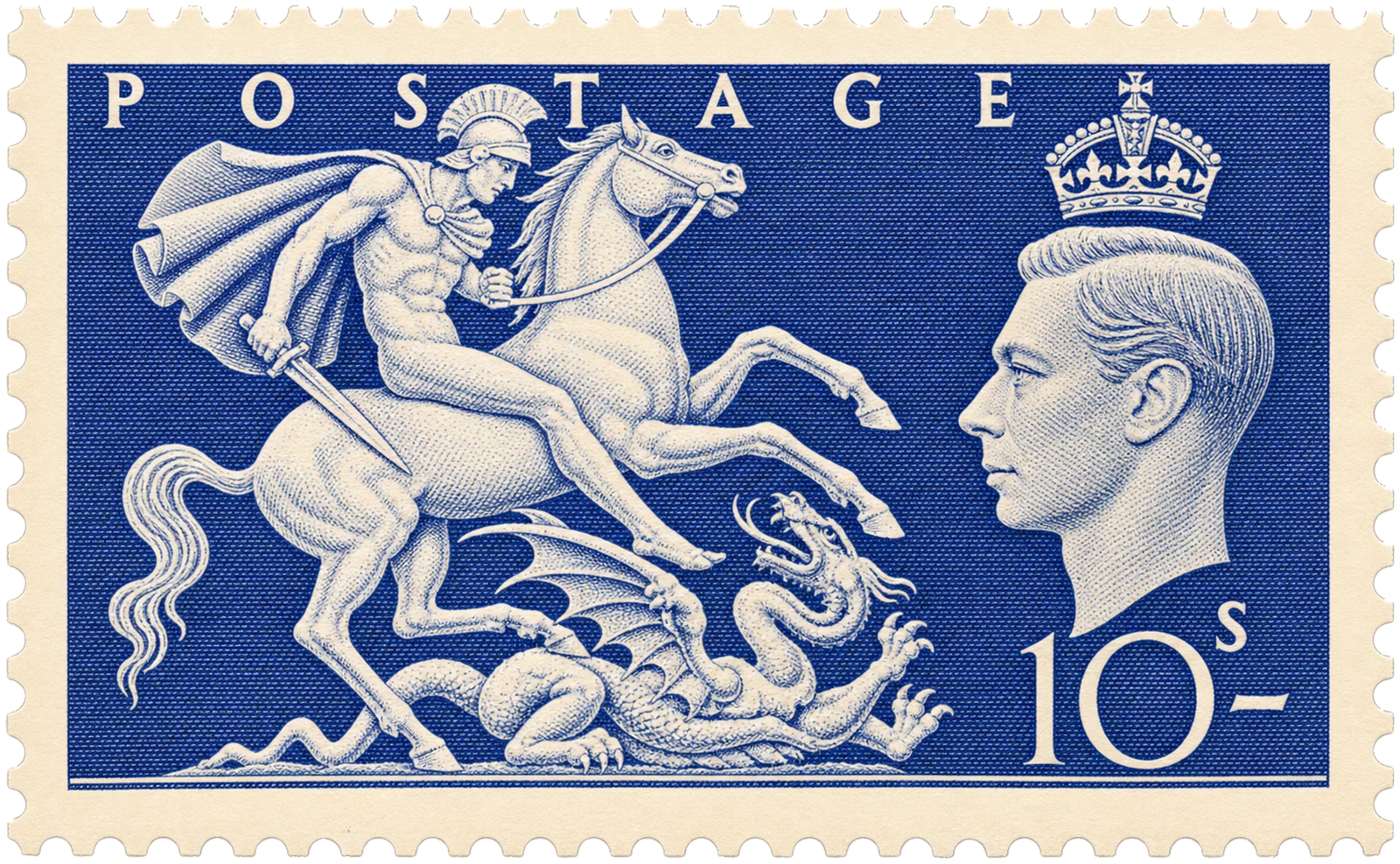
On the stamp you were exploring
George VI · 10s ultramarine · 3 May 1951
Waterlow & Sons engraved and printed this pictorial high value. Harrison & Sons printed the small George VI definitives by a different process.
On the stamp you were exploring
George VI · 10s ultramarine · 3 May 1951
Waterlow & Sons engraved and printed this pictorial high value. Harrison & Sons printed the small George VI definitives by a different process.
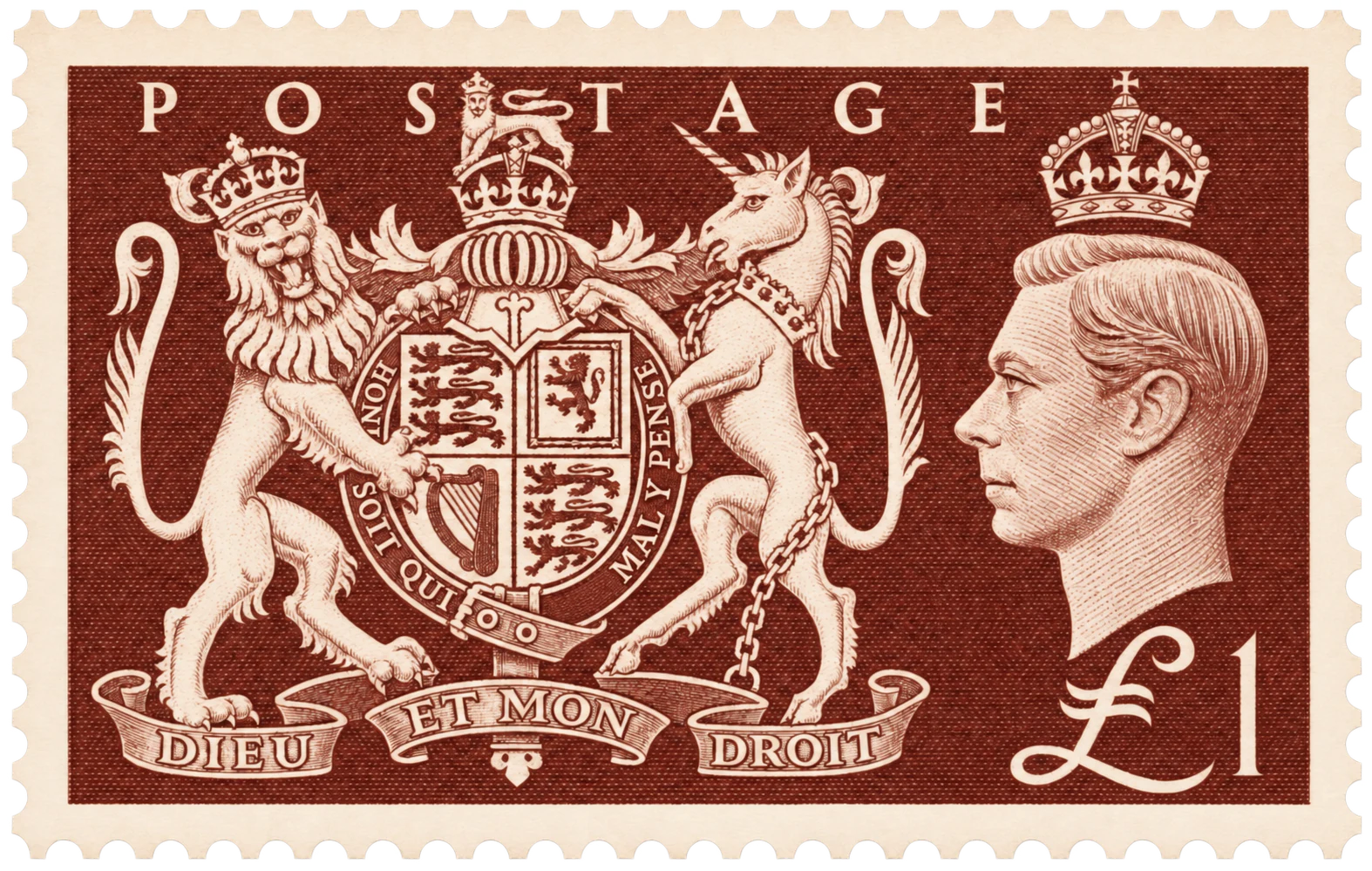
On the stamp you were exploring
George VI · £1 brown · 3 May 1951
Waterlow & Sons engraved and printed this pictorial high value. Harrison & Sons printed the small George VI definitives by a different process.
On the stamp you were exploring
George VI · £1 brown · 3 May 1951
Waterlow & Sons engraved and printed this pictorial high value. Harrison & Sons printed the small George VI definitives by a different process.
A family business grows
James Waterlow began producing lithographic copies of legal documents in Birchin Lane, London, in 1810. The business printed stamps in 1852, and his sons joined the partnership as it expanded. The firm became a limited liability company in 1876. [1]
Two Waterlow firms
A family dispute in 1877 produced a separate company, Waterlow Bros & Layton. Waterlow & Sons continued under the other brothers, operating from London Wall and elsewhere. The two companies reunited in 1920. Their names should therefore be distinguished when identifying earlier stamp printings. [1]
Turning a design into engraved postage
Waterlow & Sons produced George VI’s earlier high-value definitives by recess printing. The approved designs had to be translated into engraved dies and printing plates. In this process ink lies within engraved lines and is transferred to paper under pressure, giving the portrait and ornament their characteristic linear shading. [2]
Artists, engravers and printers
The design history records separate responsibilities: Dulac’s portrait, Bellew’s work on the ornamental high-value frame, and engraving by J. A. C. Harrison. Harrison was an individual engraver, distinct from the company Harrison & Sons. Waterlow’s name identifies the firm manufacturing these stamps, rather than a single artist. [2]